EPIC PROJECT
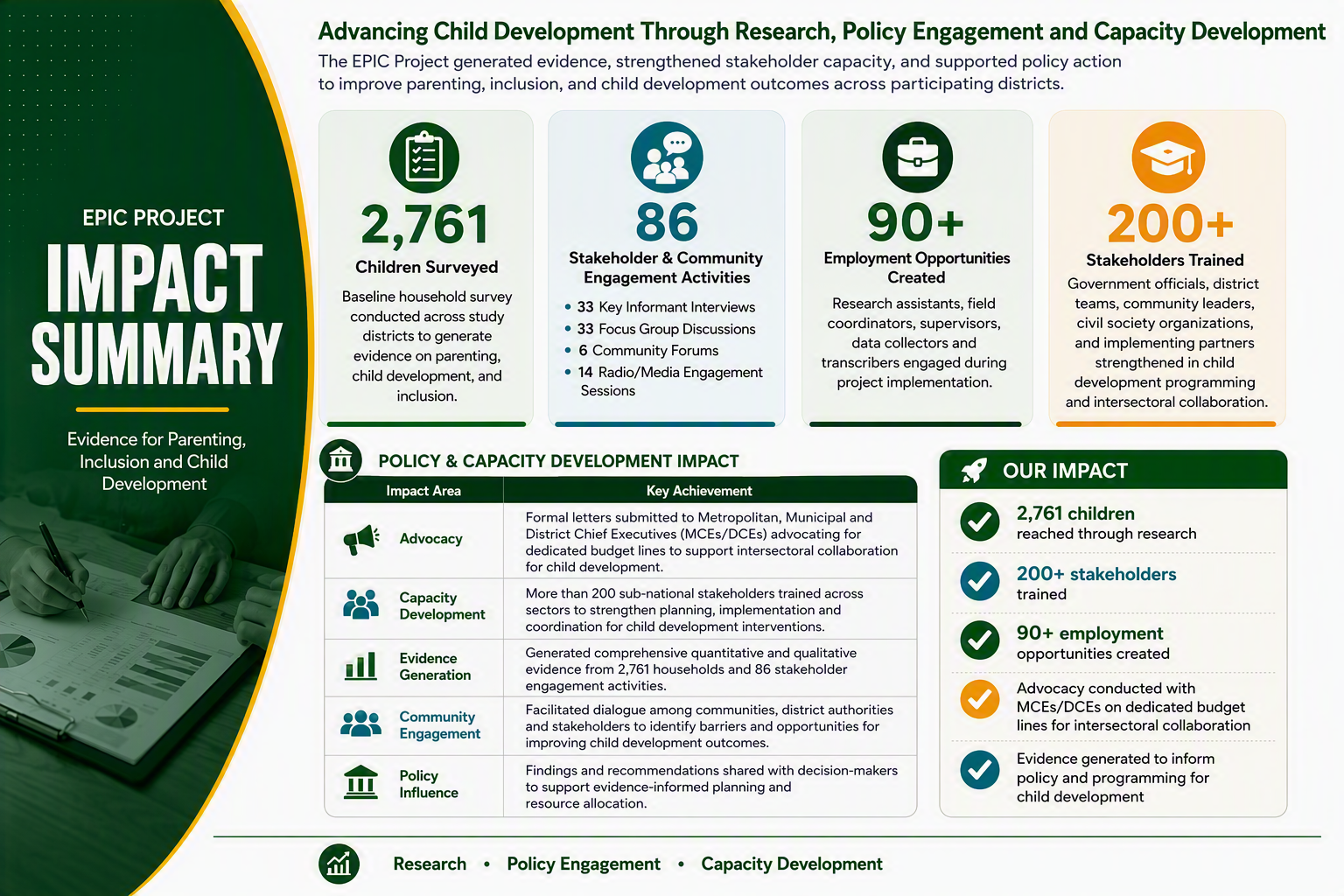
This project aims to strengthen how different sectors in Ghana work together to support young children’s health, nutrition, learning, and overall well-being. It will test a participatory, data-driven approach in several districts to help government, communities, and civil society plan and coordinate better for children. The study will show what helps partnerships work well, how to involve families and children more meaningfully, and how this collaboration can lead to better outcomes for children.
This research was funded by the NIHR (NIHR158910) using UK international development funding from the UK Government to support global health research. The views expressed in this publication are those of the author(s) and not necessarily those of the NIHR or the UK government.
COMPONENTS
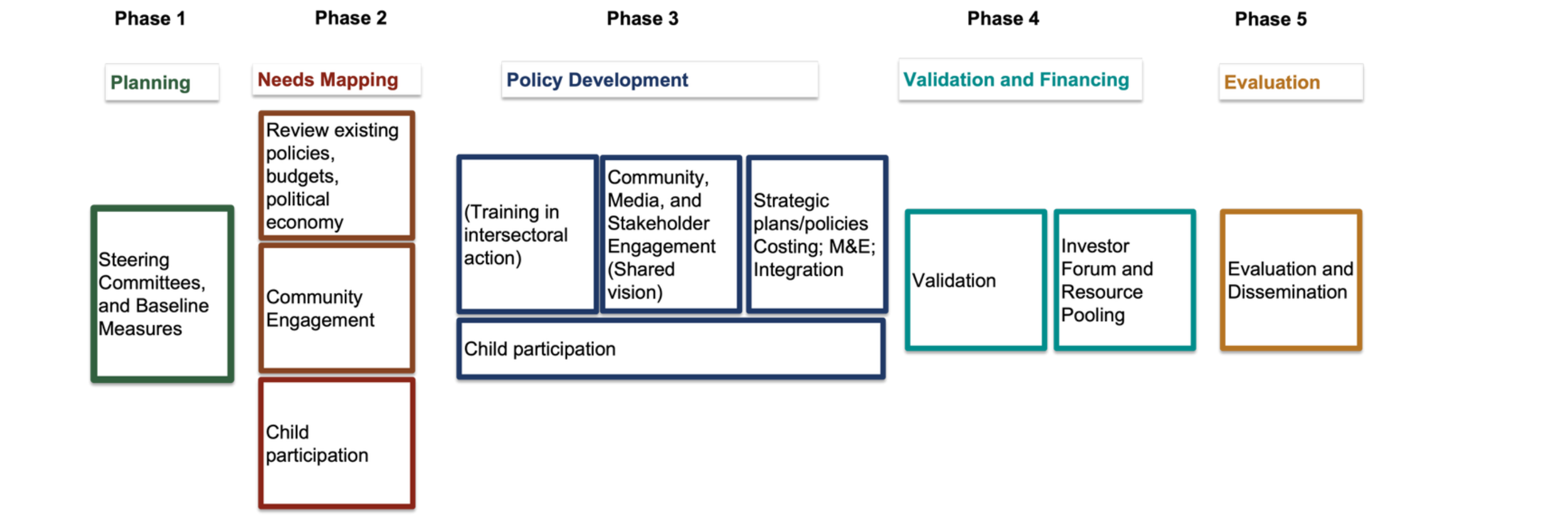
PHASES OF THE PROJECT.
The project follows a five-phase participatory process that brings together government agencies, civil society organizations, community groups, researchers, caregivers, and children to strengthen early childhood development policymaking and implementation.
EPIC GALLERY
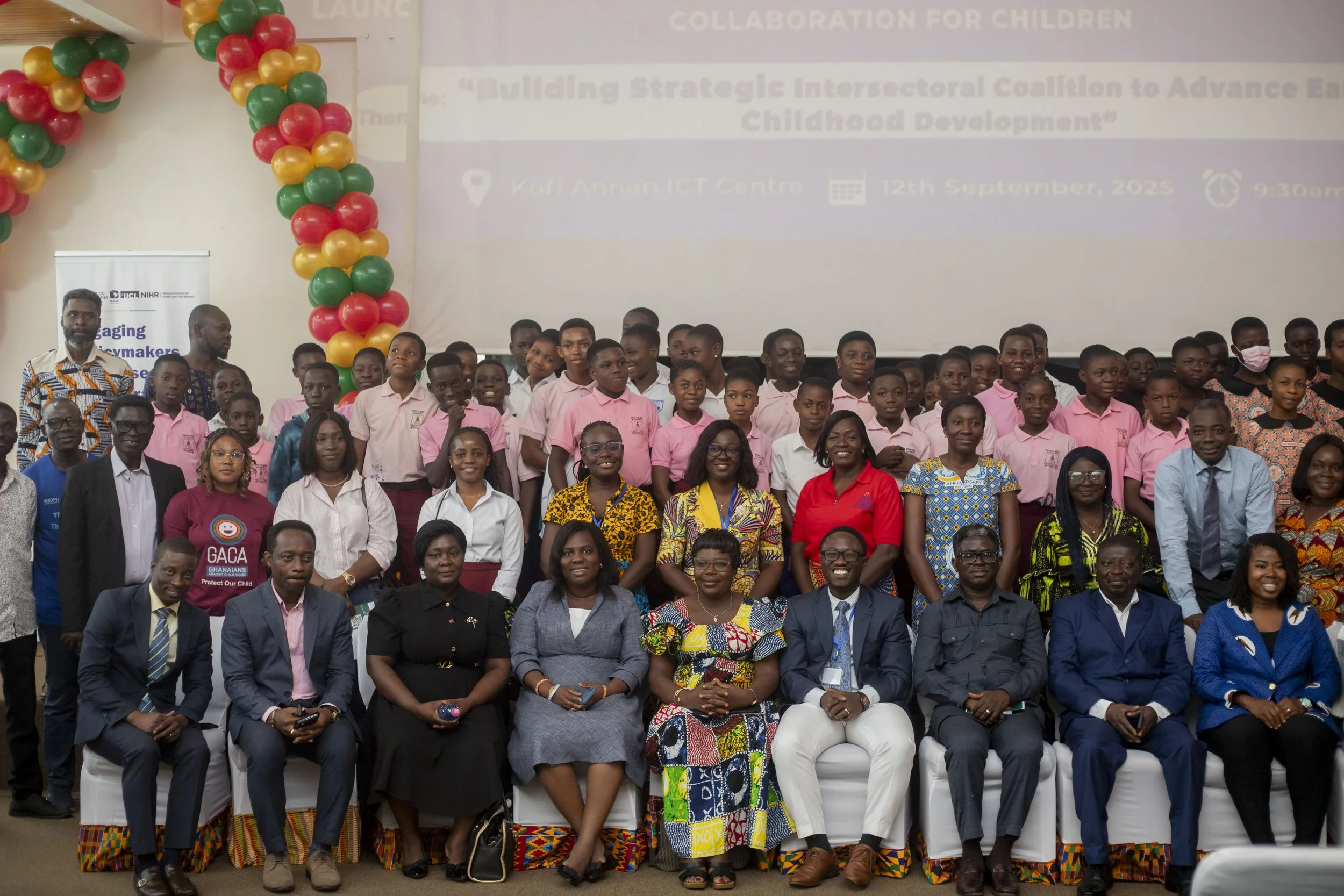
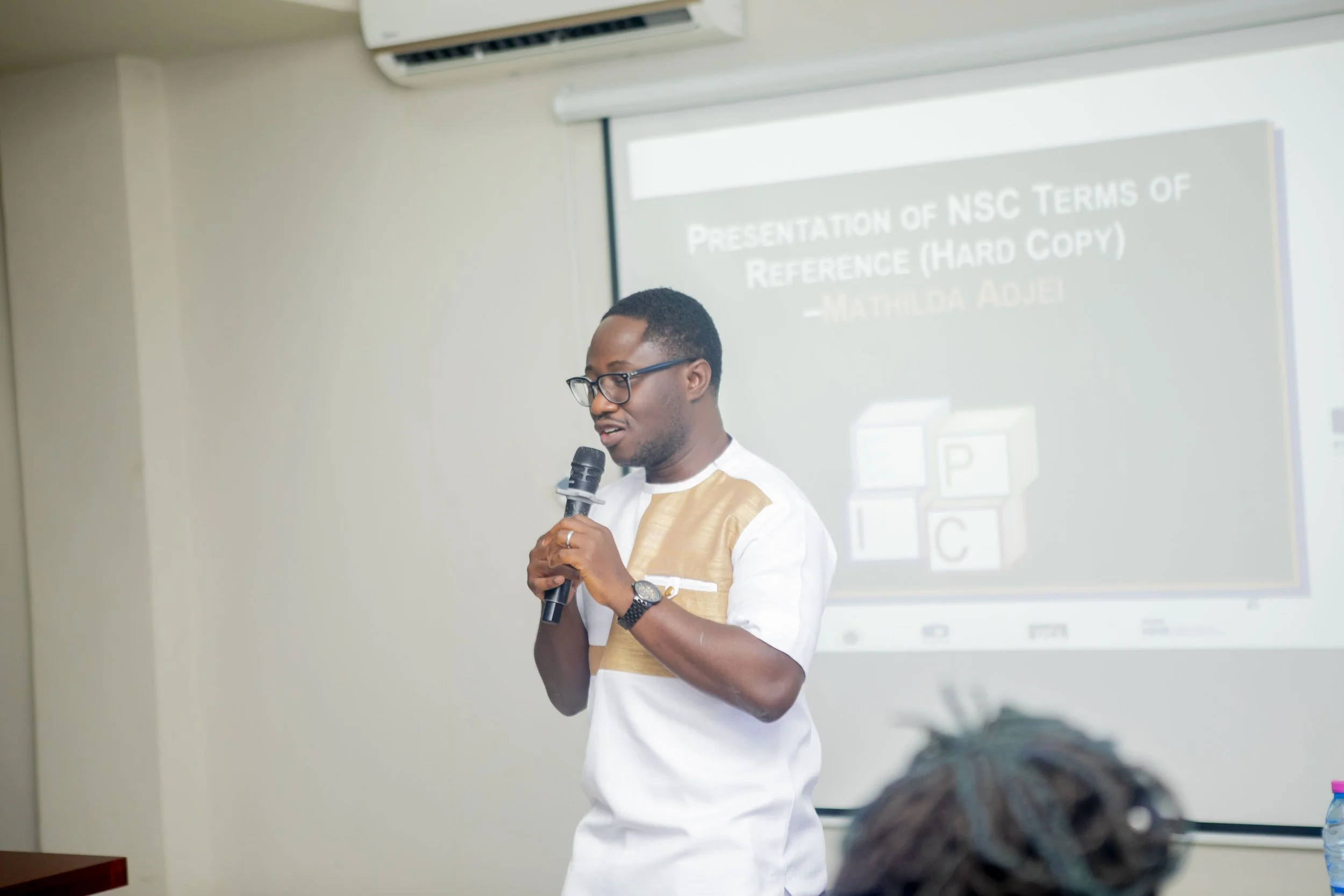
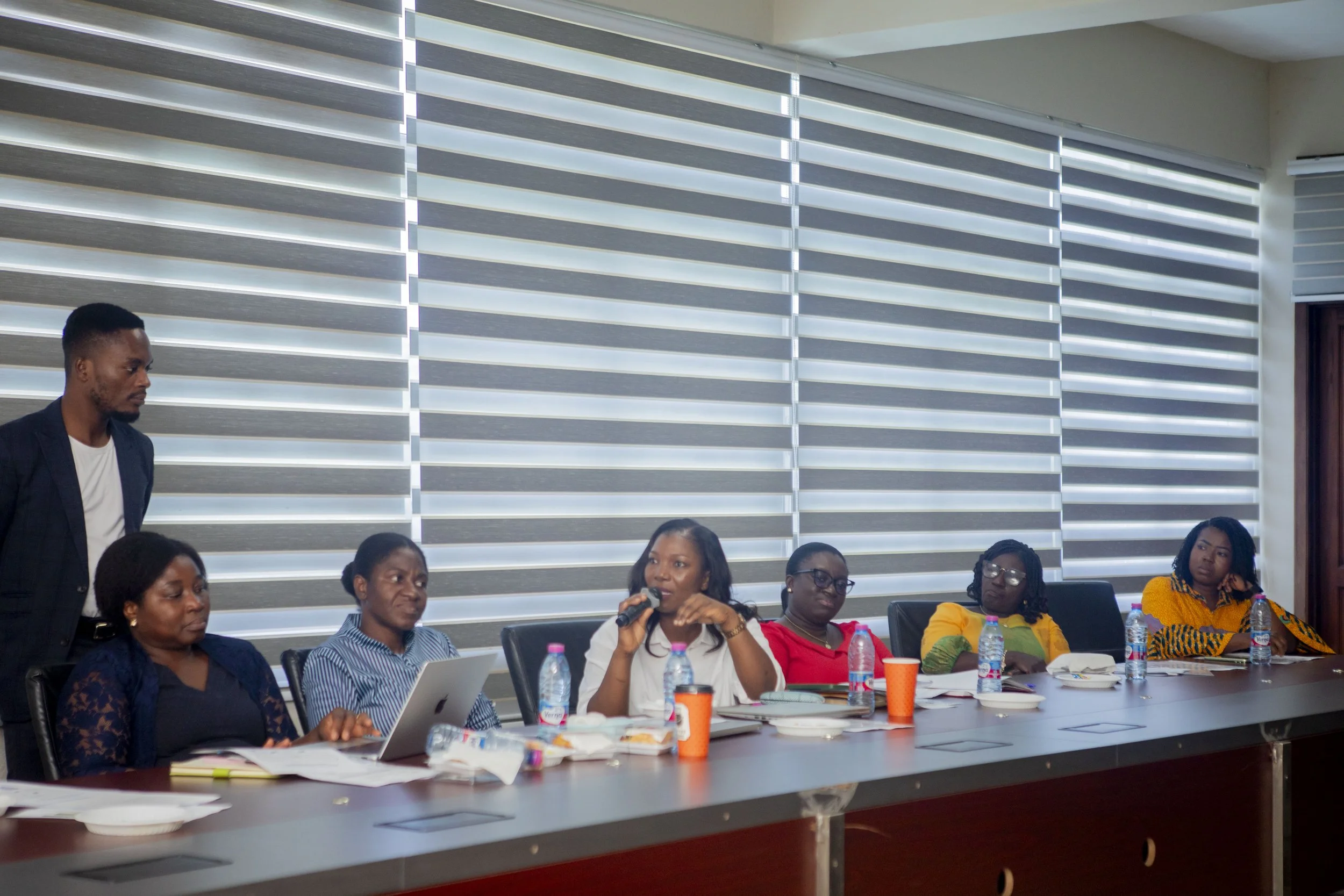
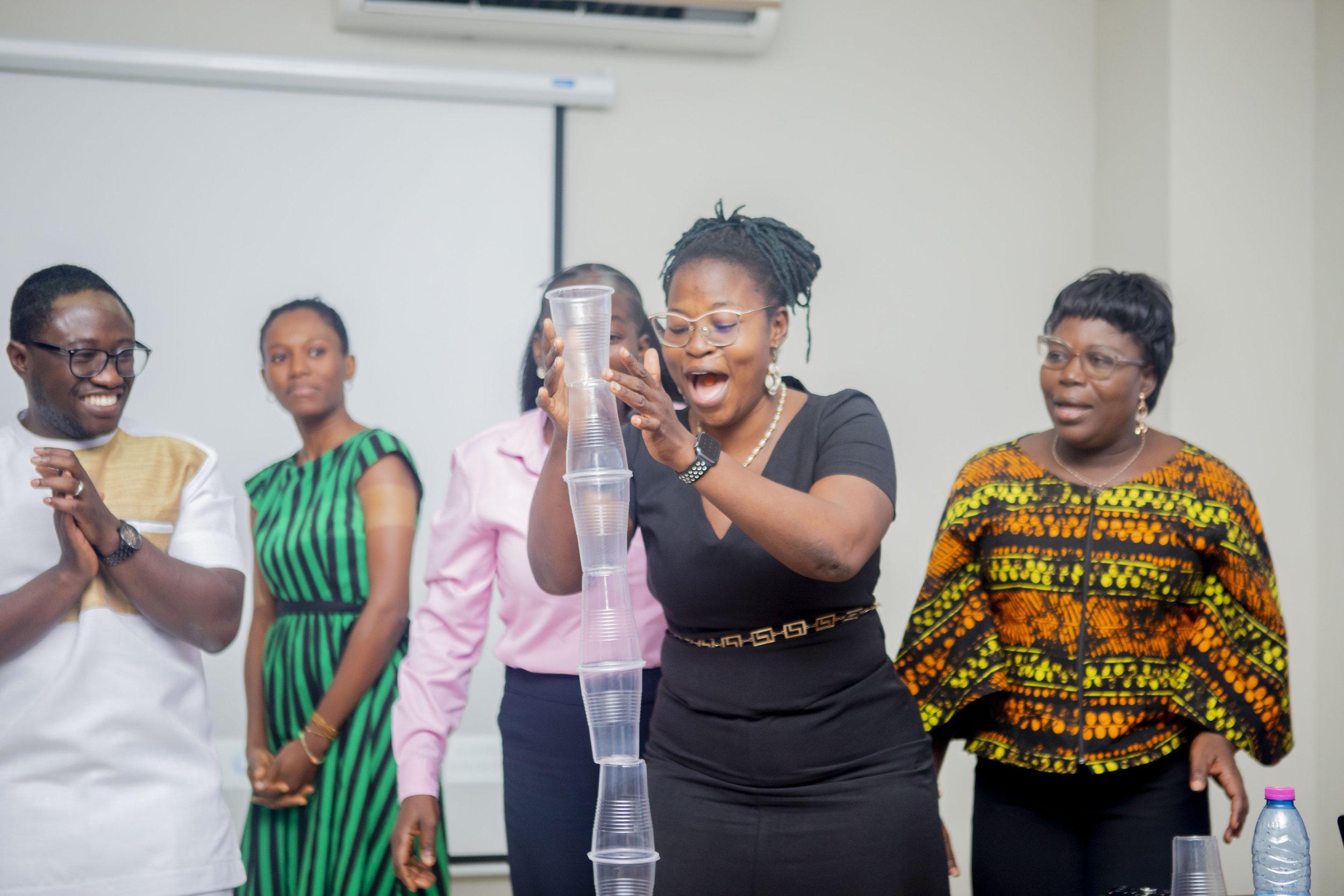
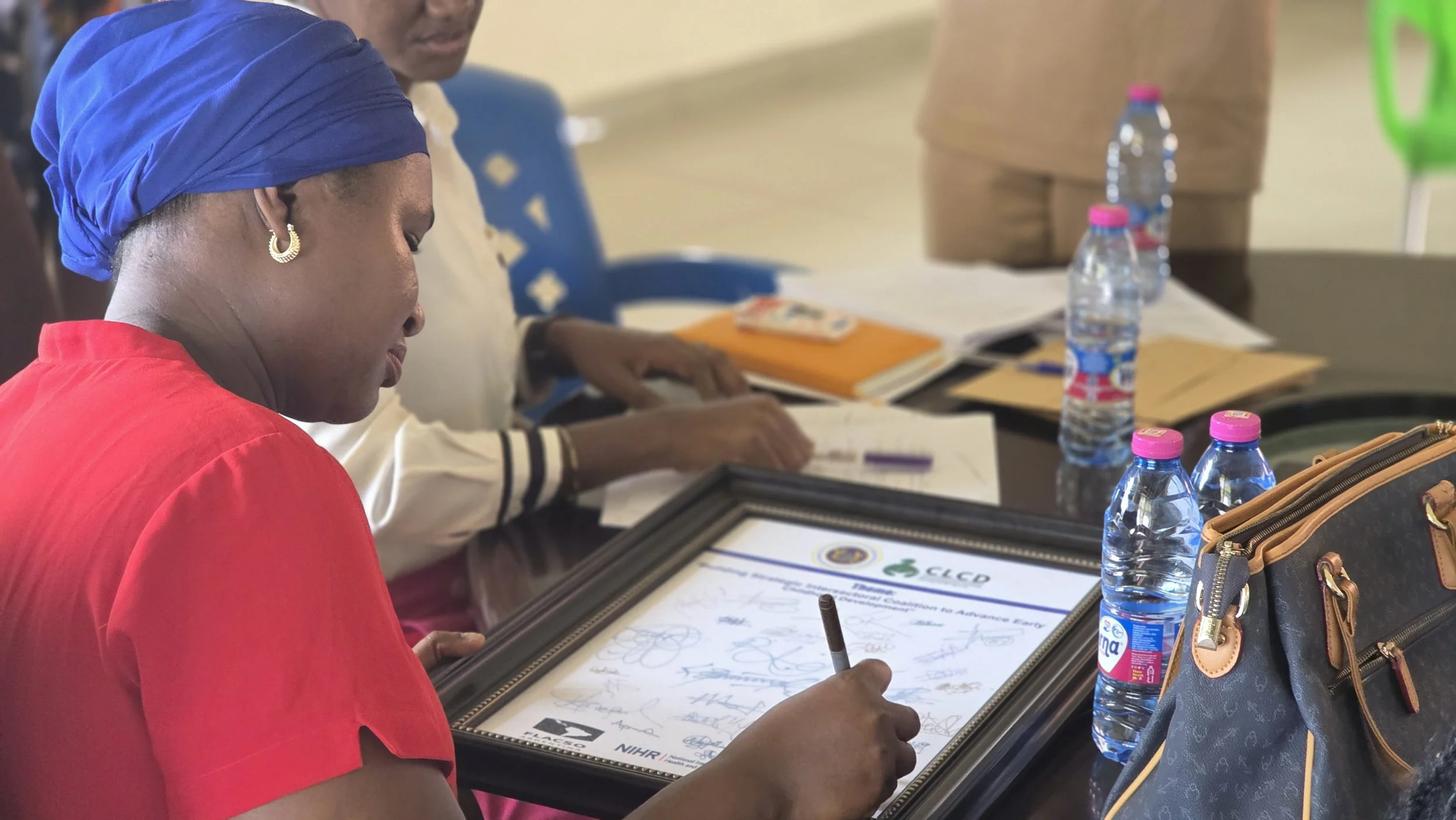
EPIC LAUNCH.
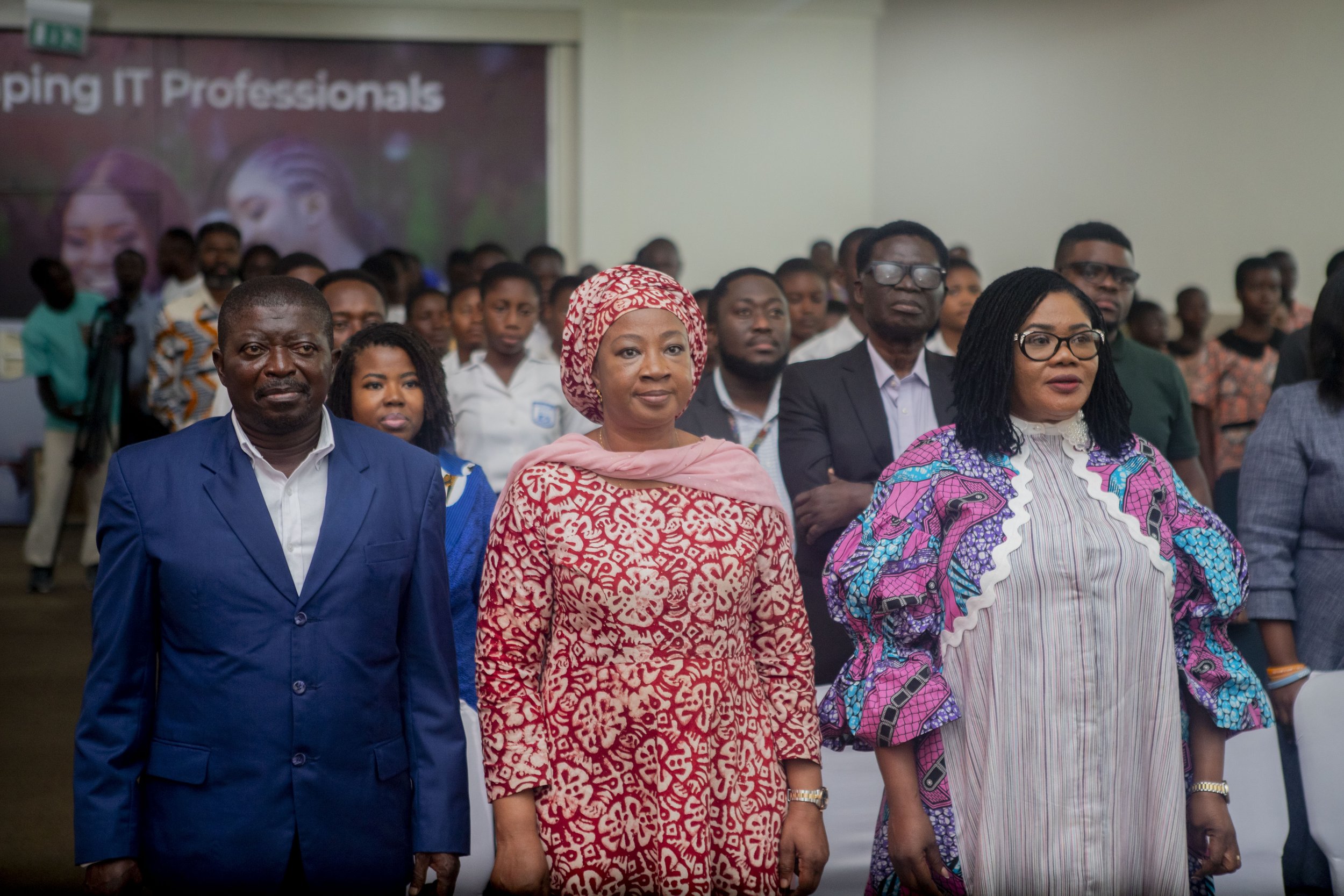
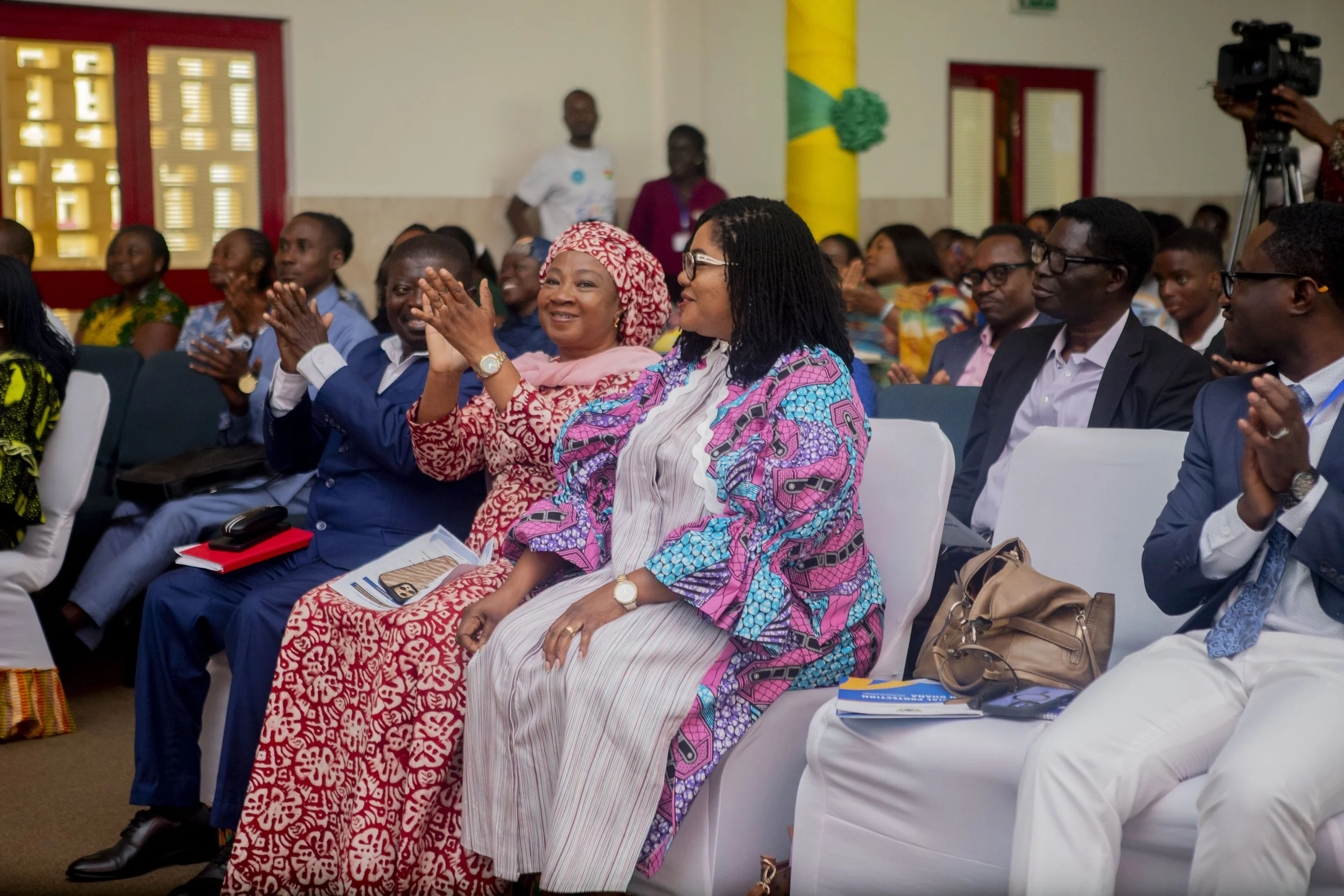
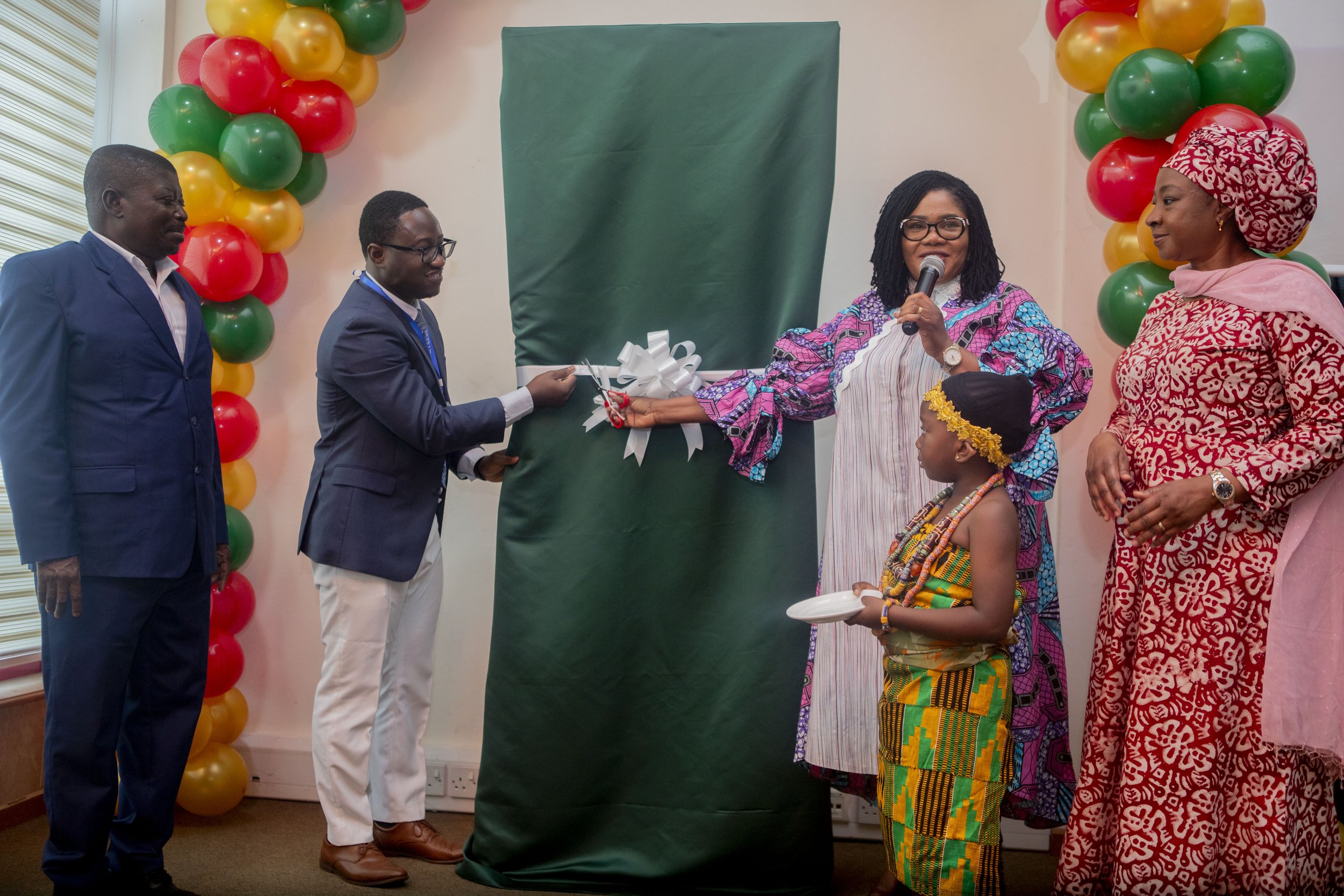

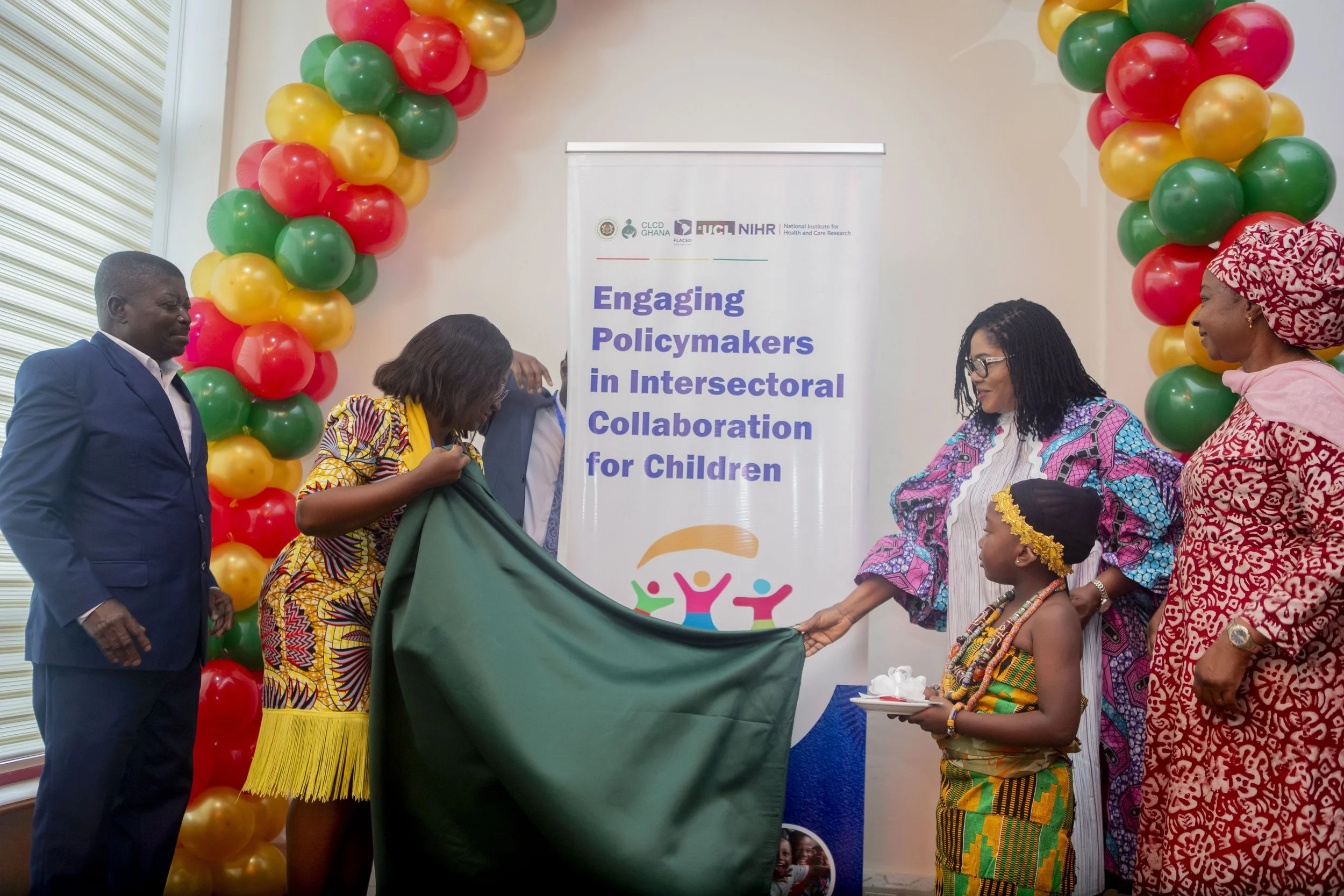
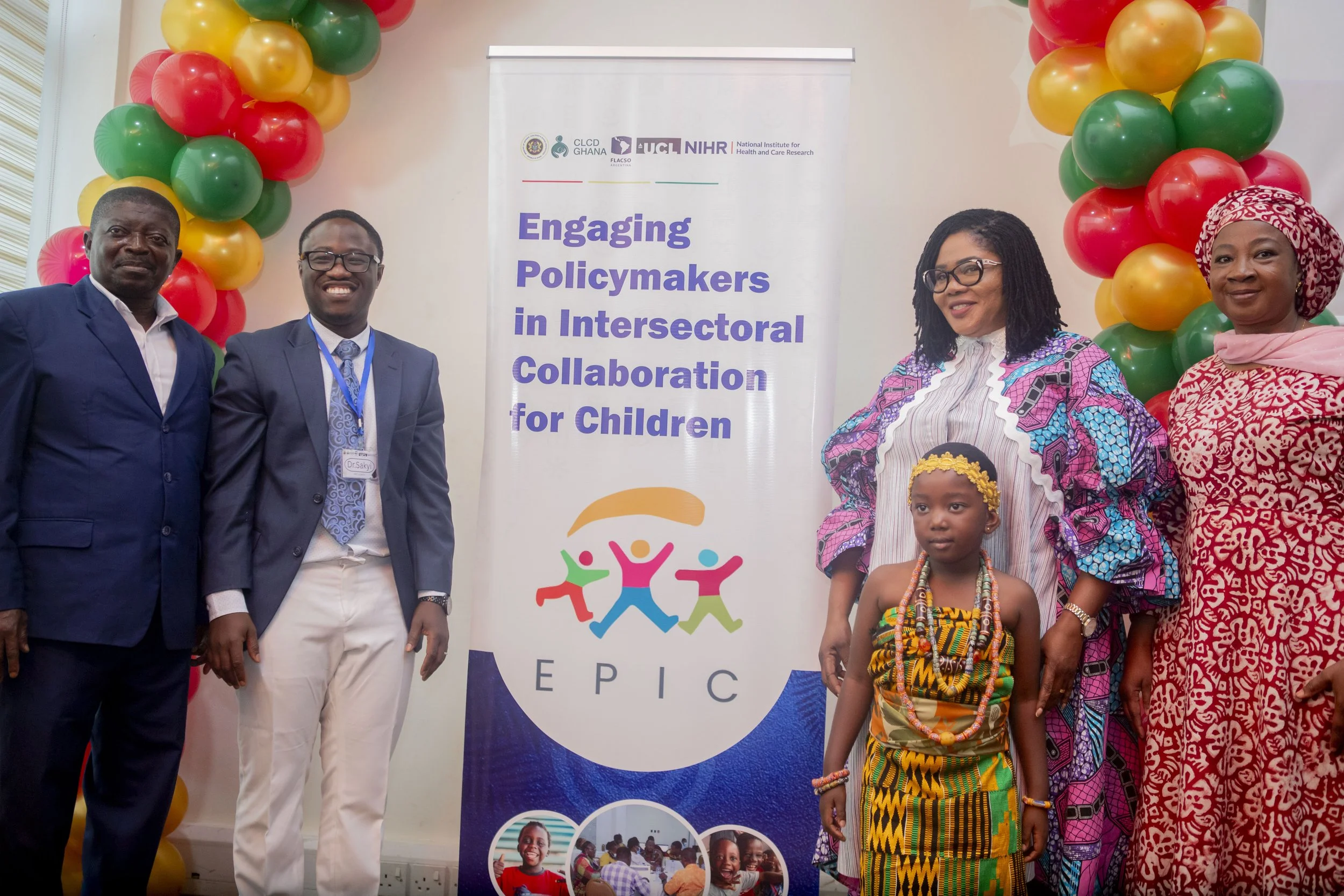
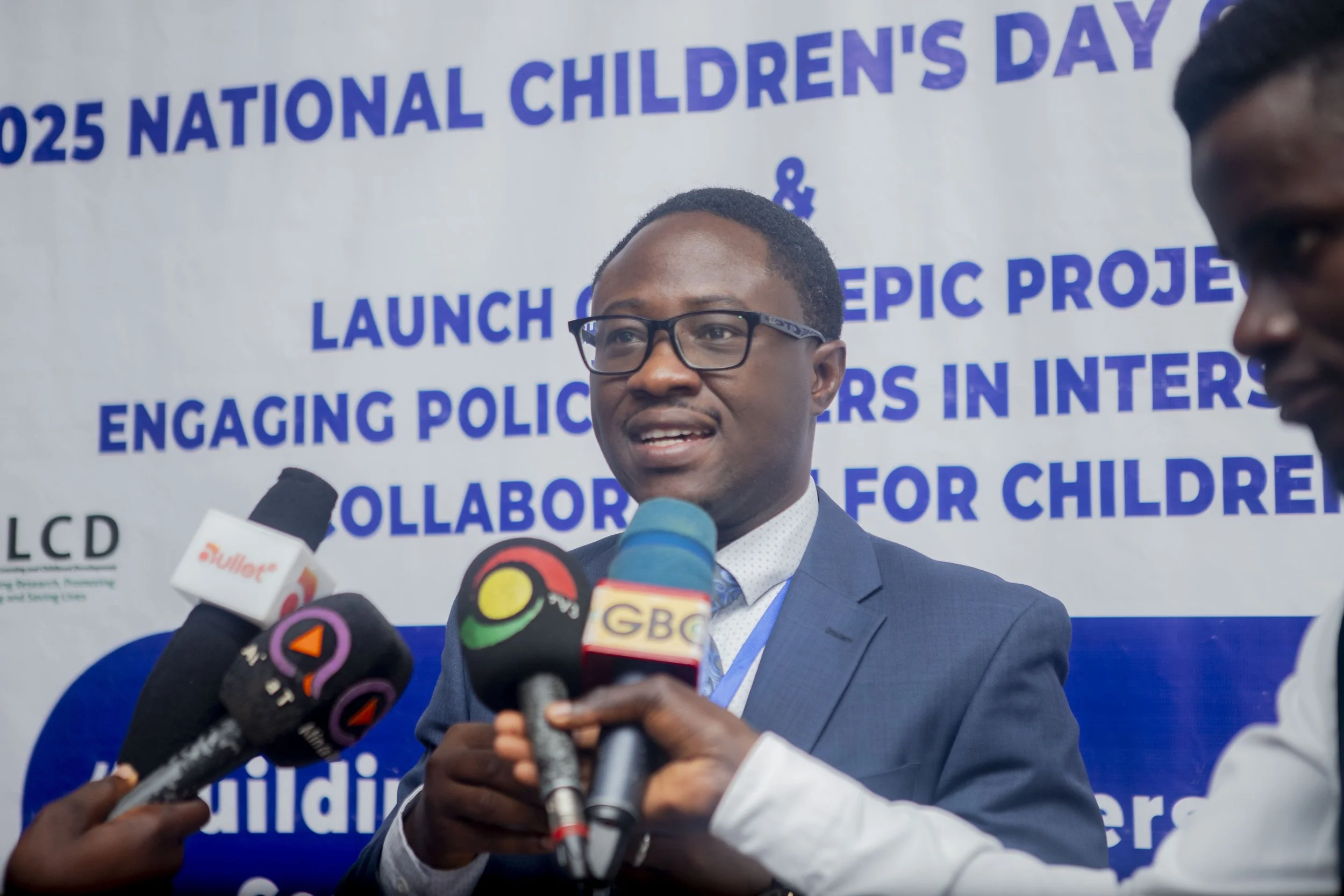


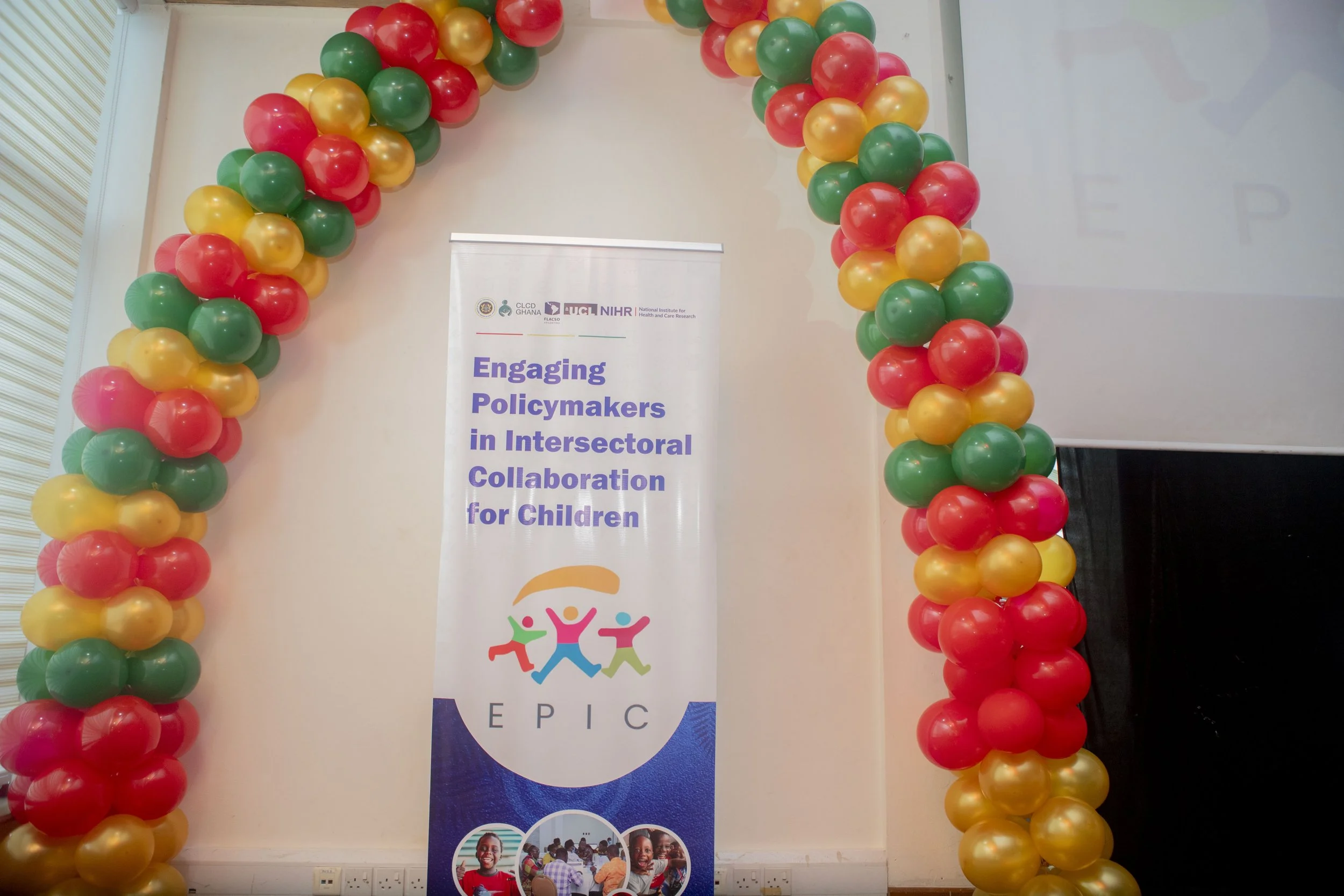
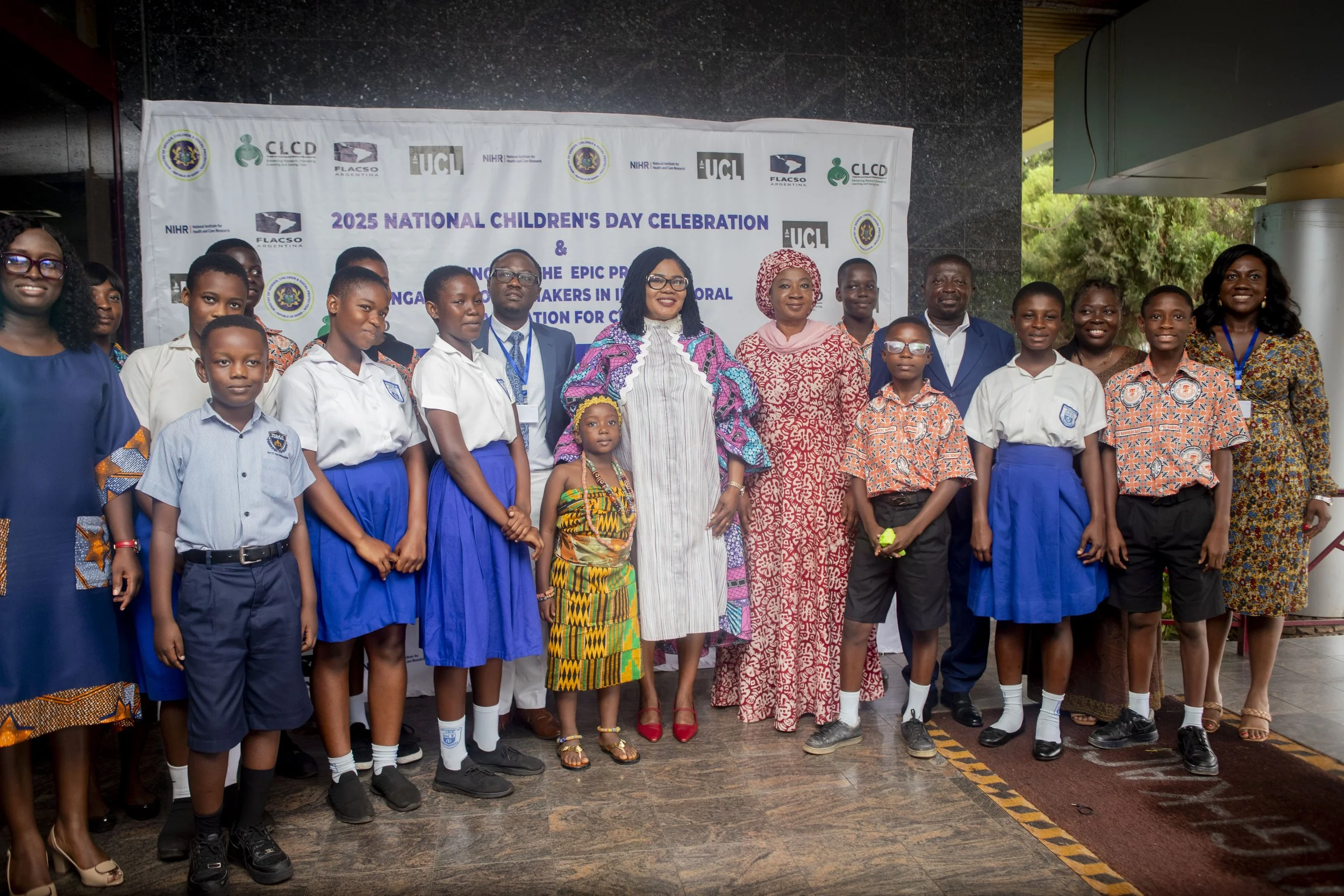
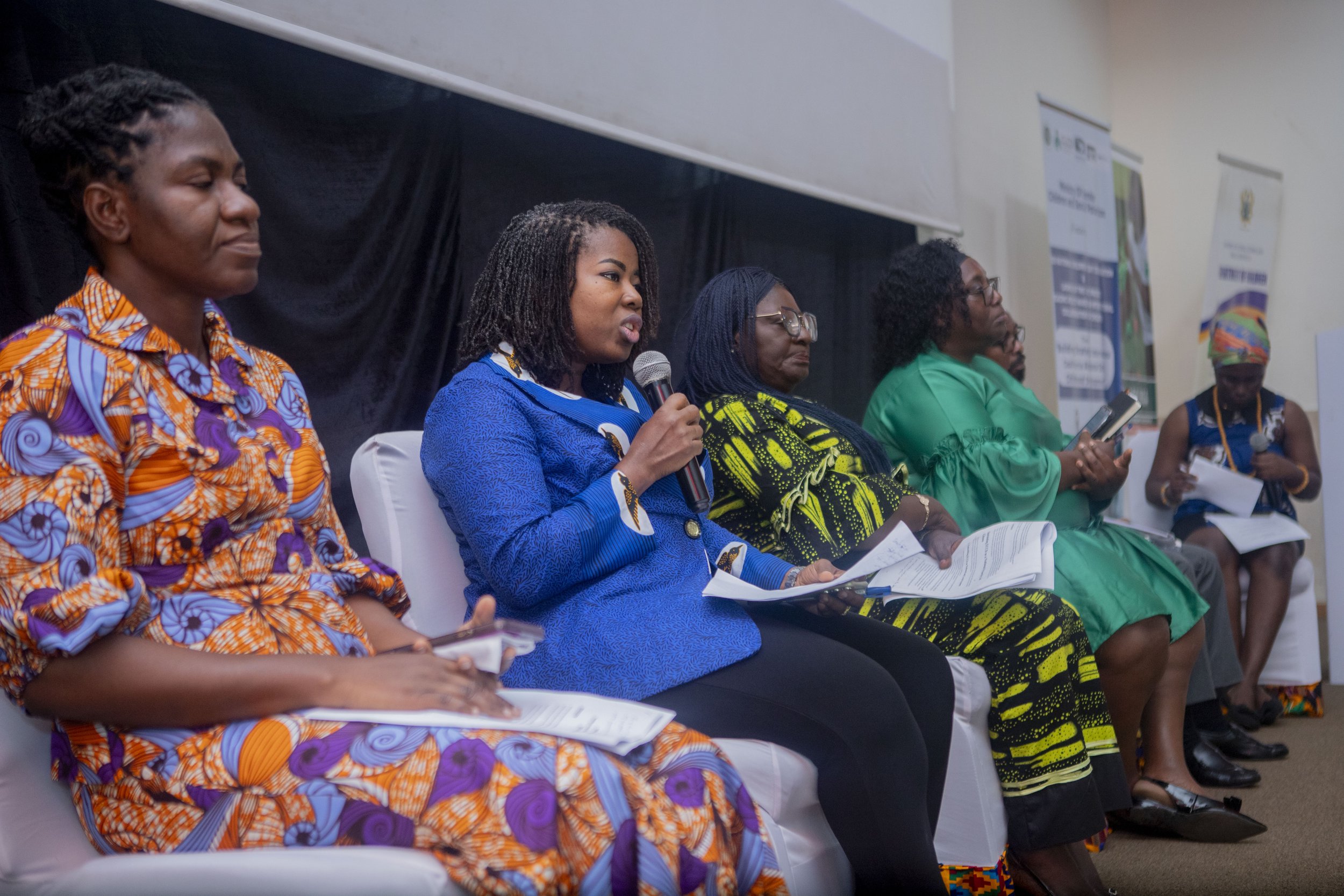
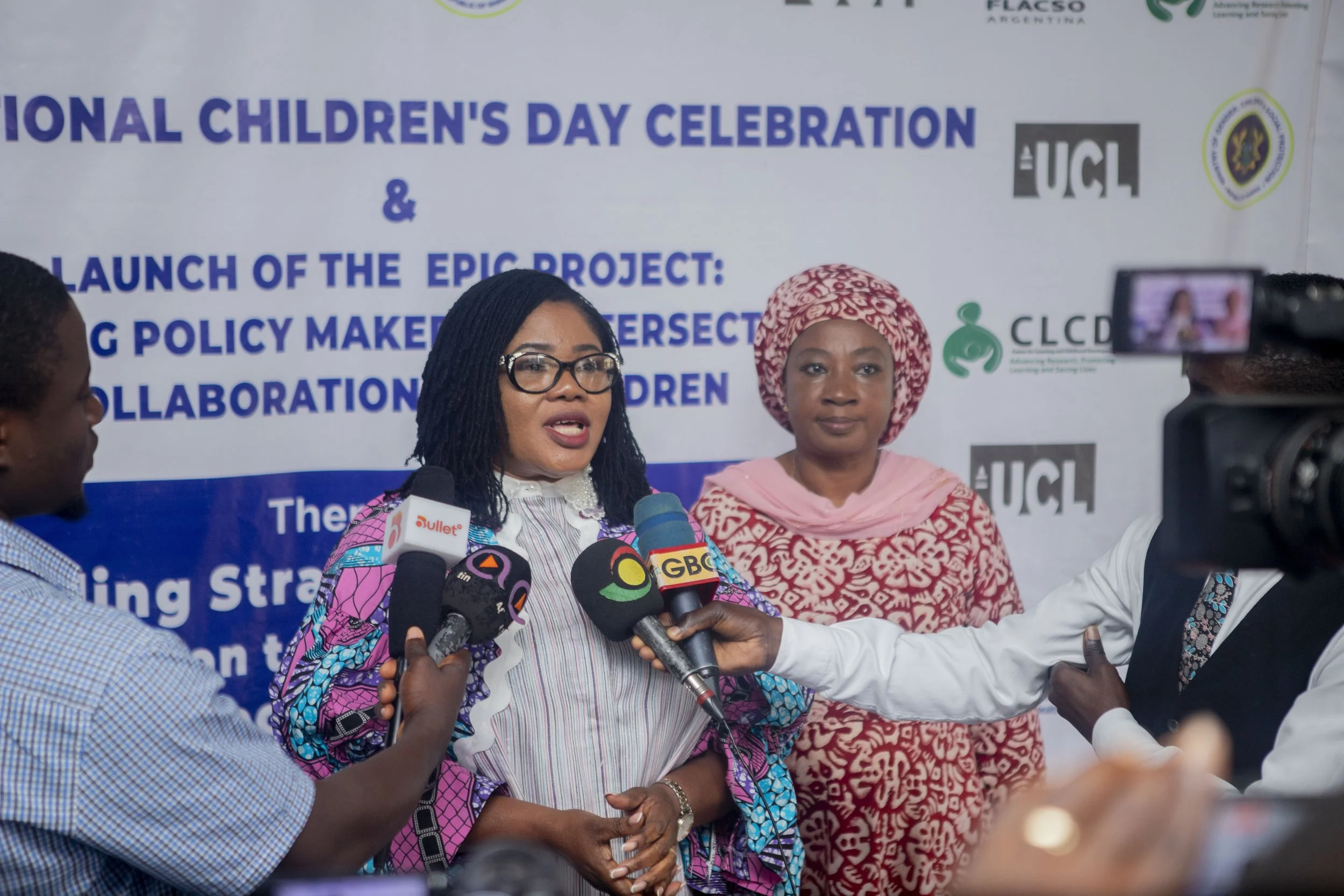
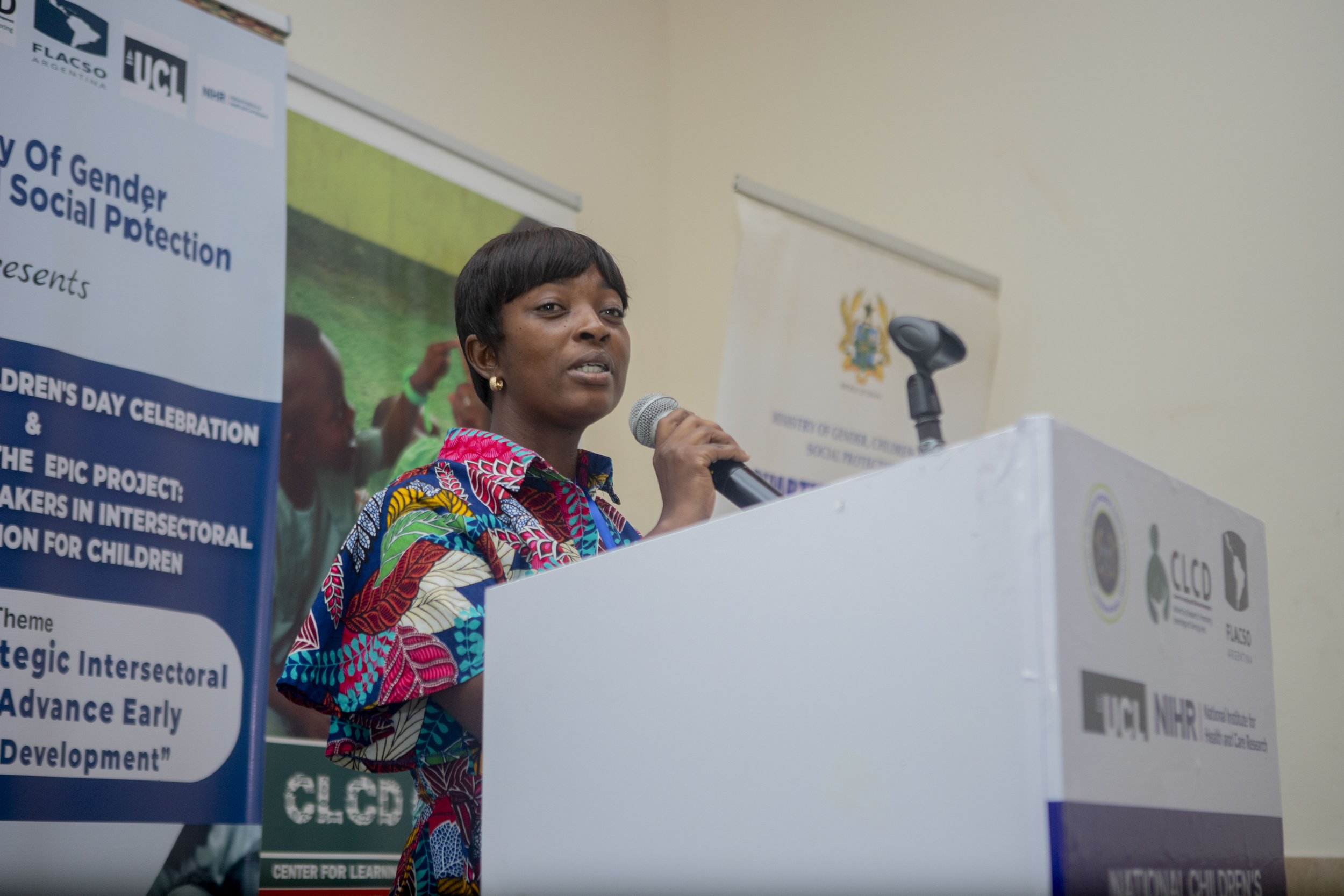
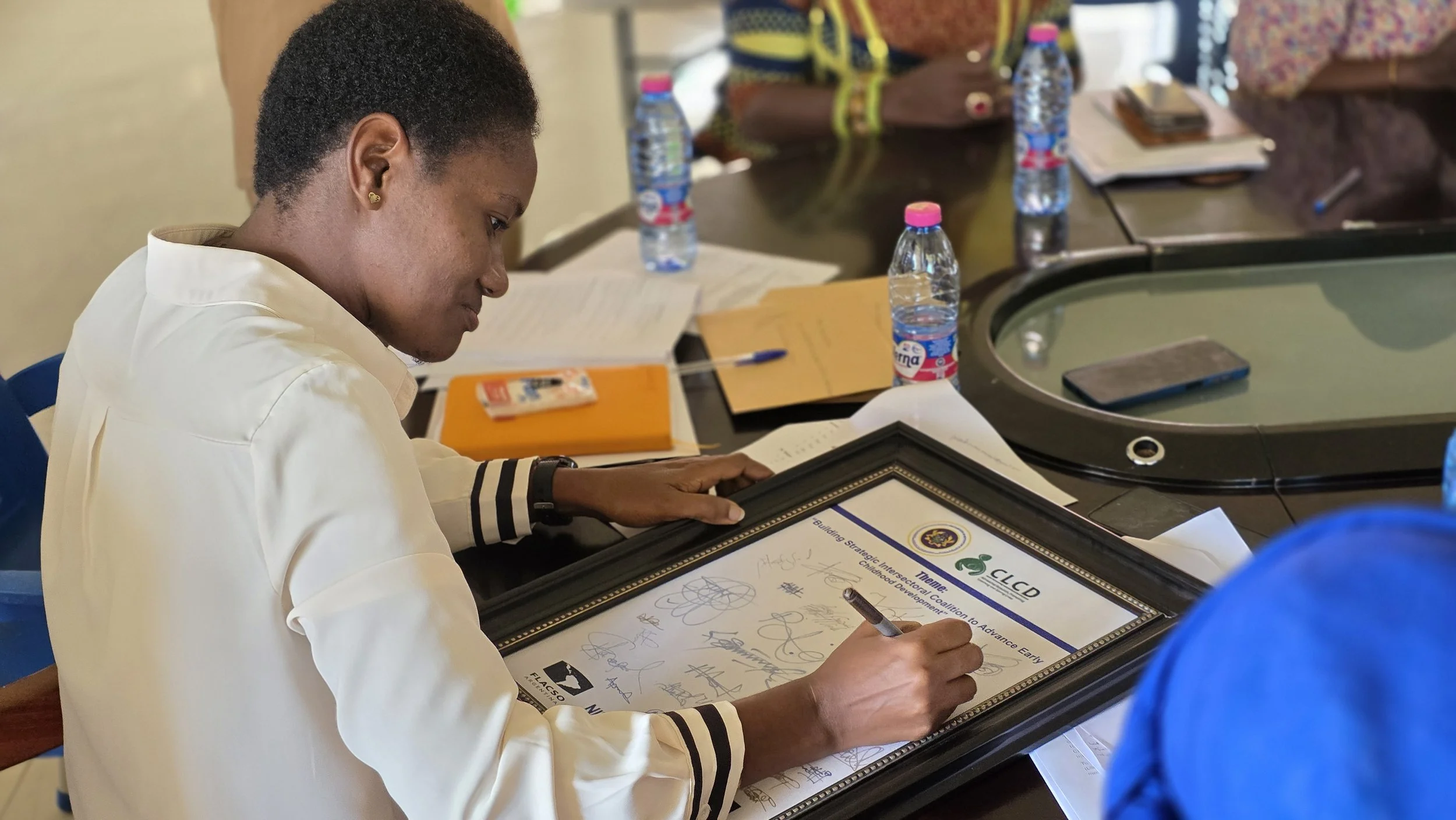
Inauguration of the members of the National Steering Committee.
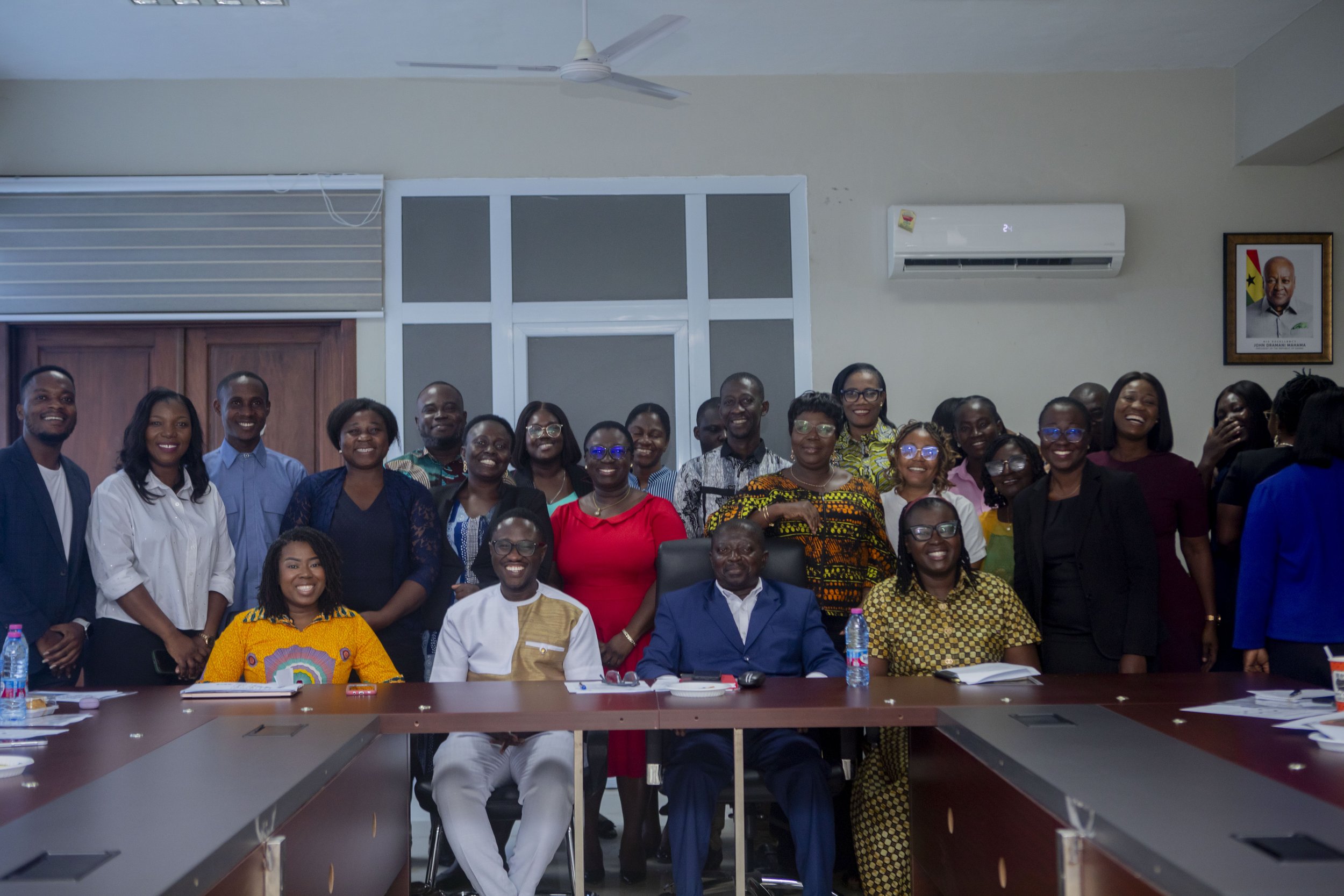








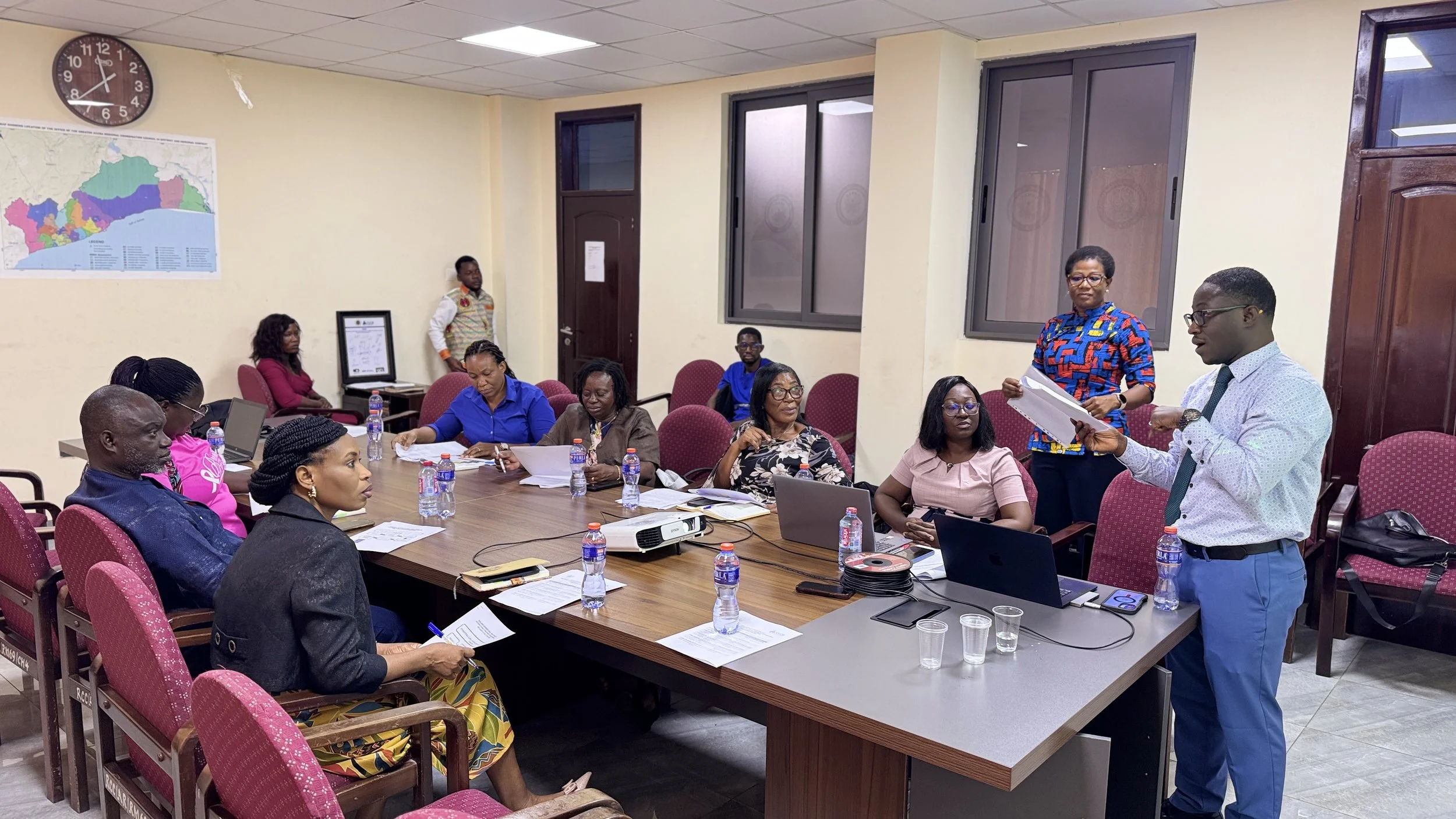
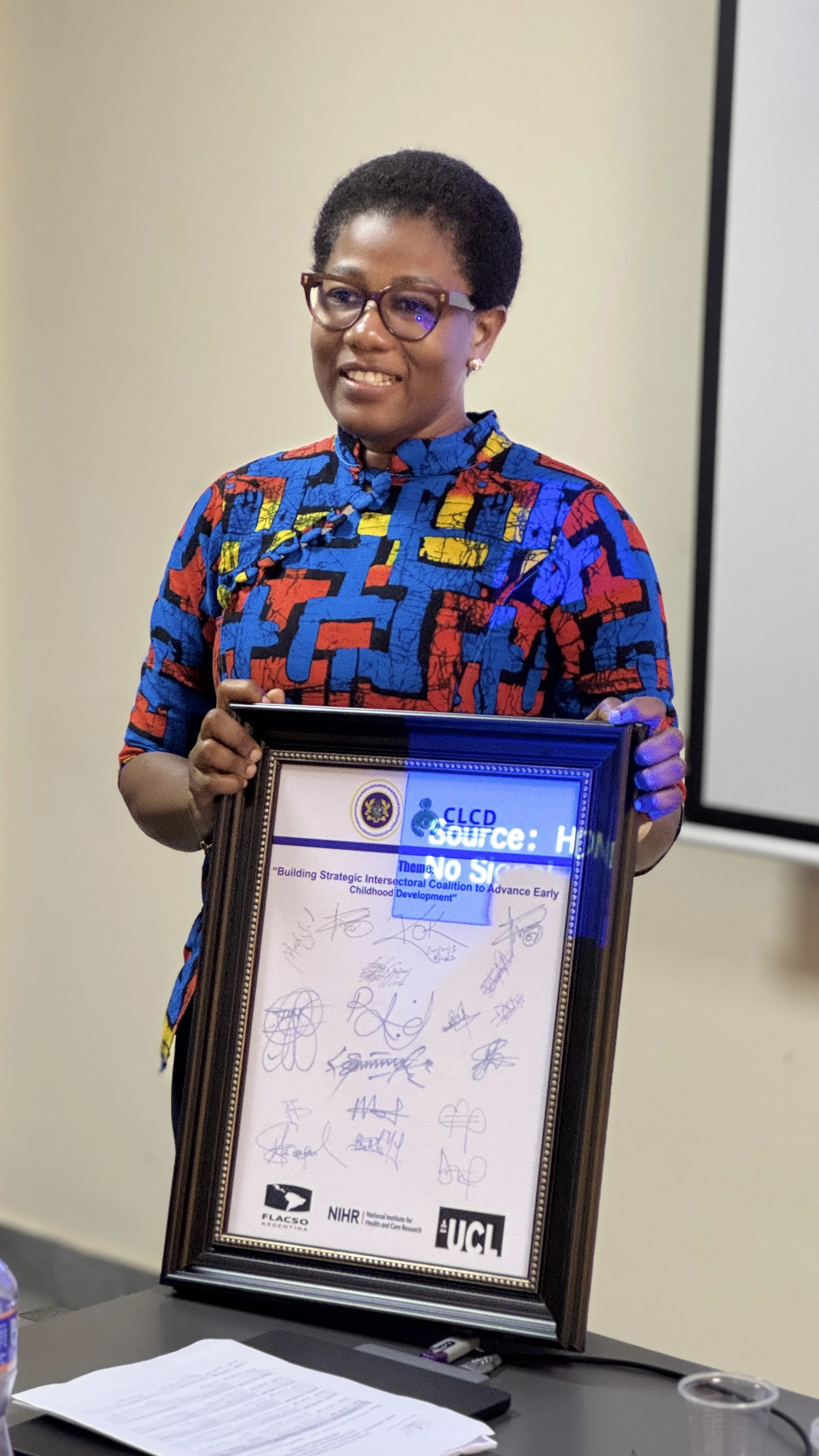
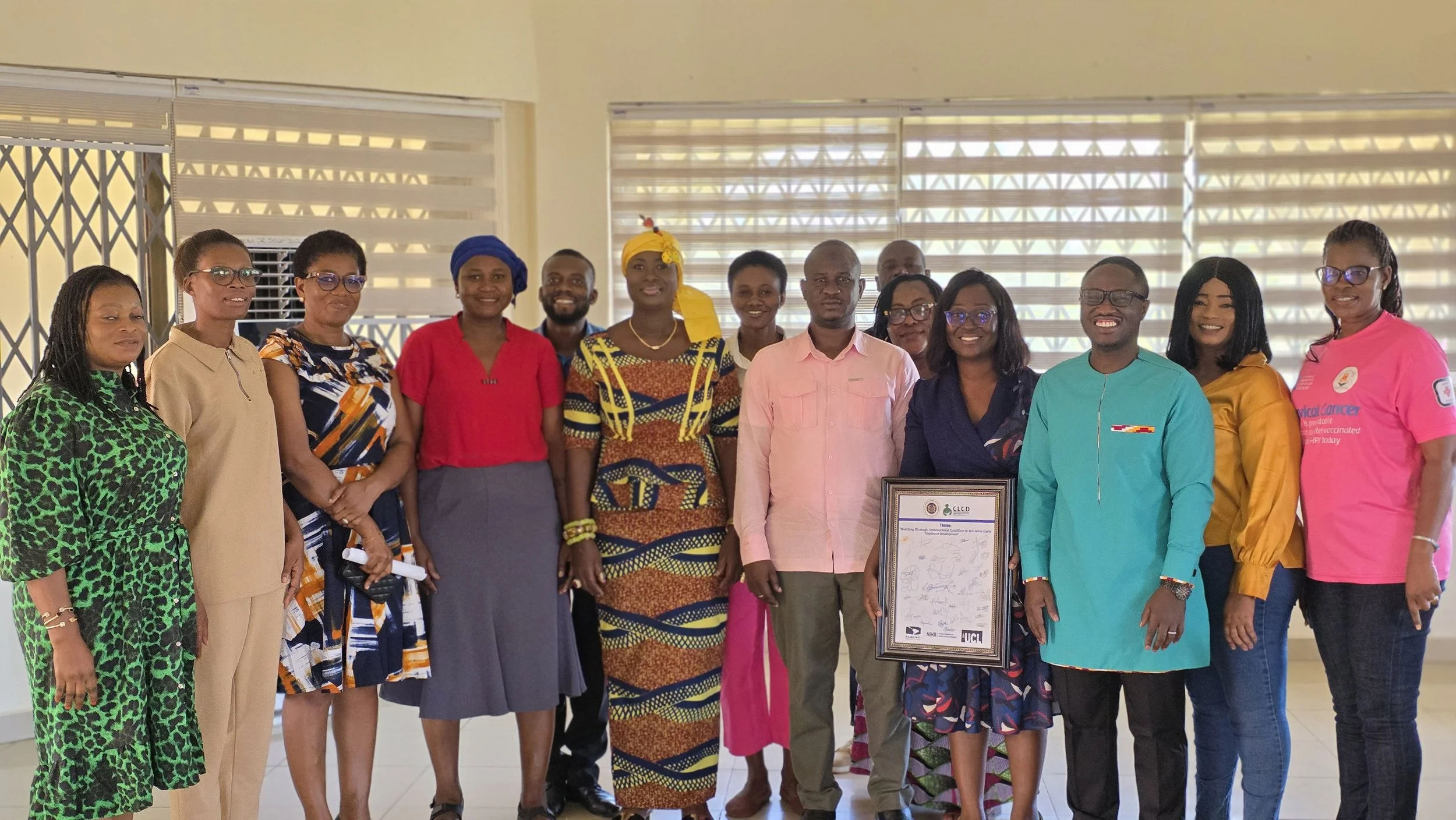
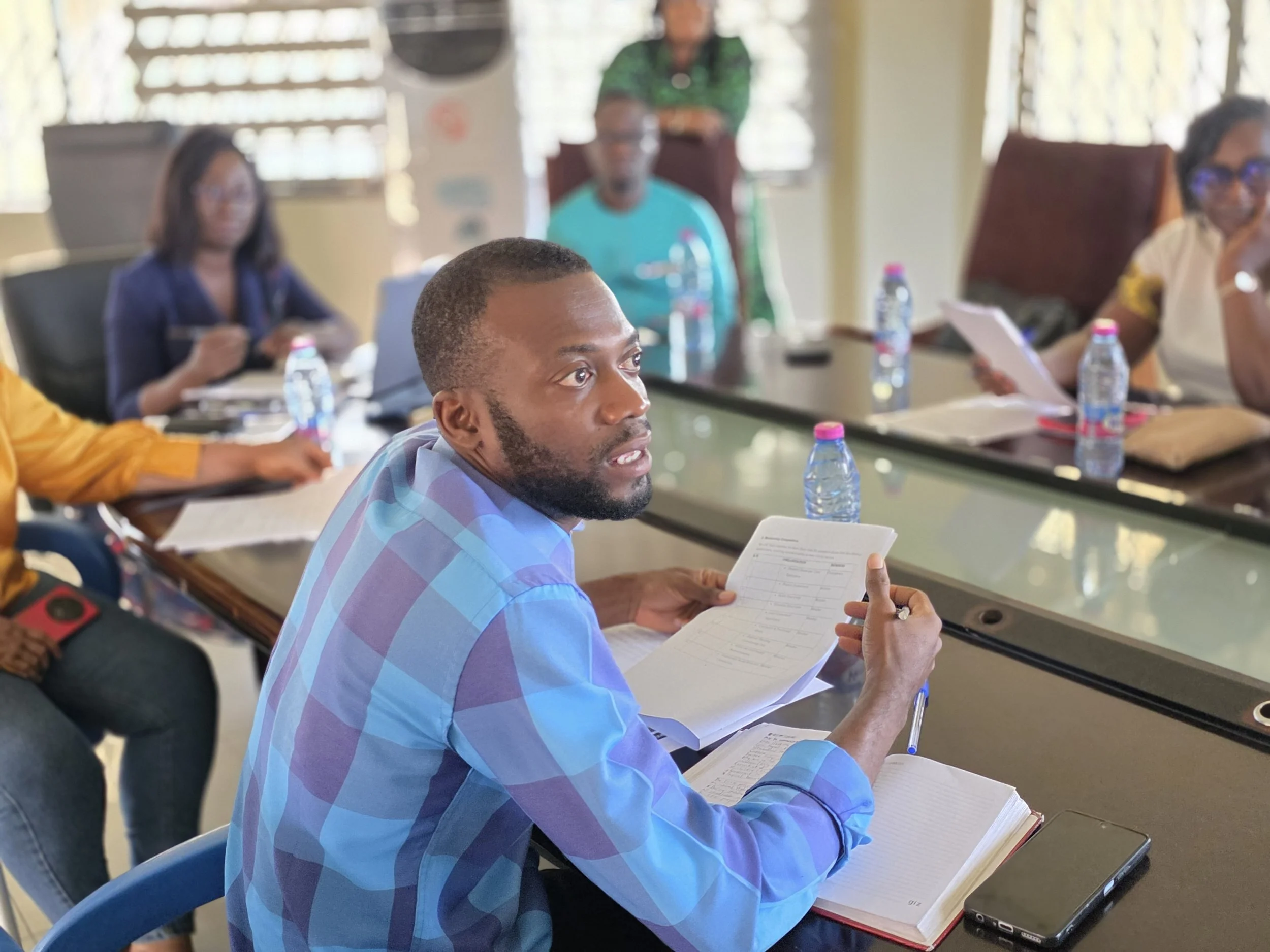
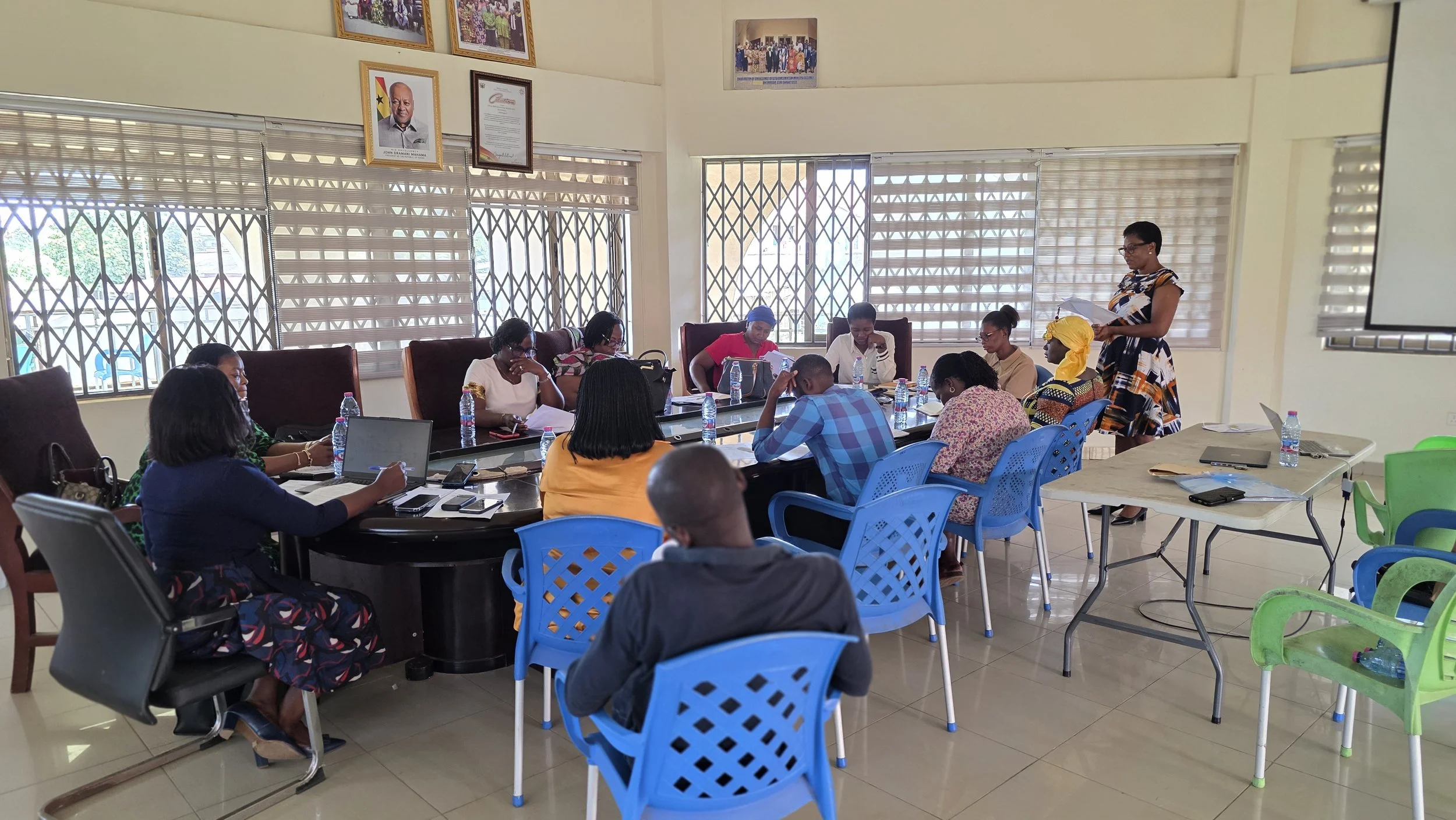
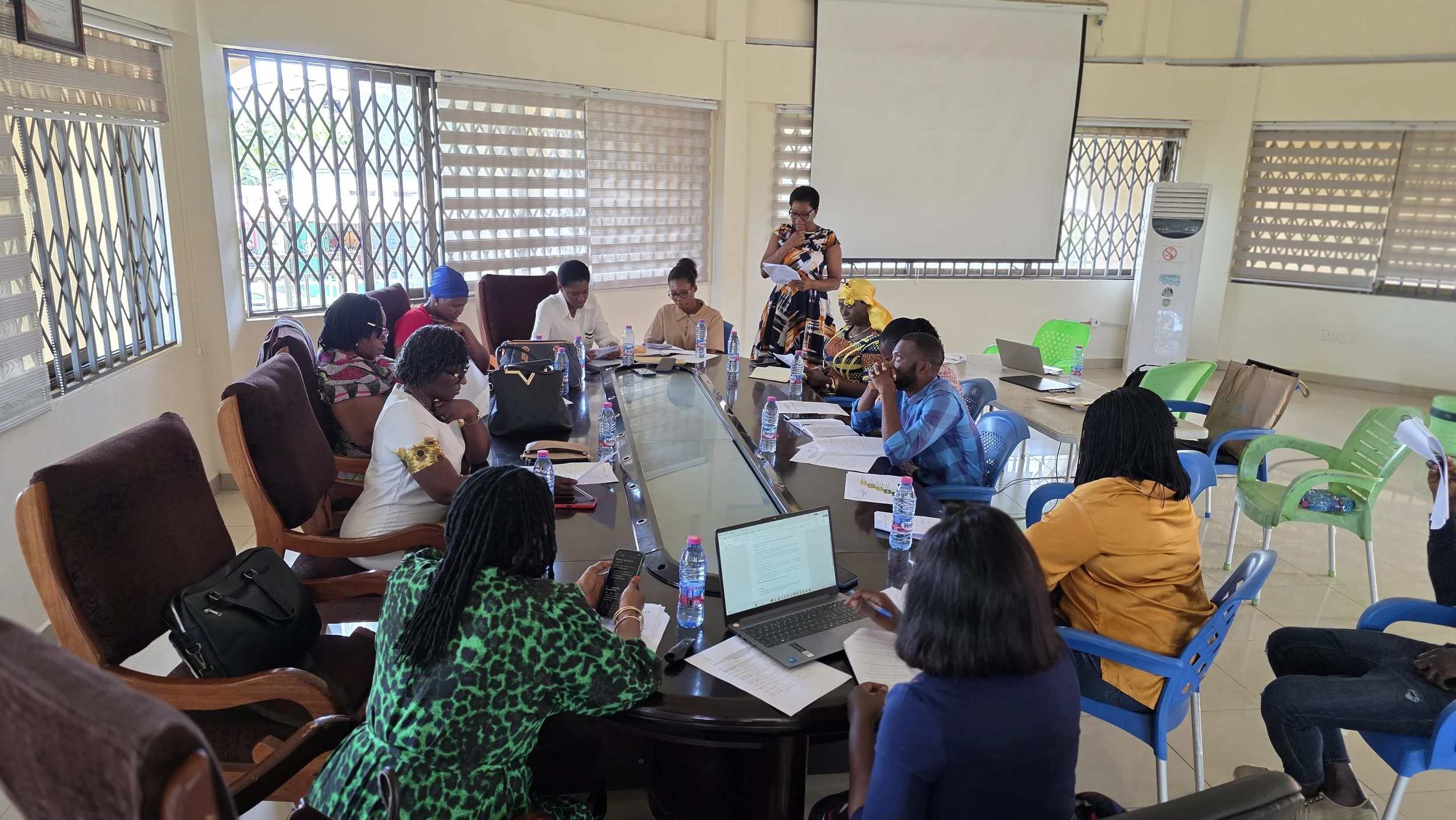
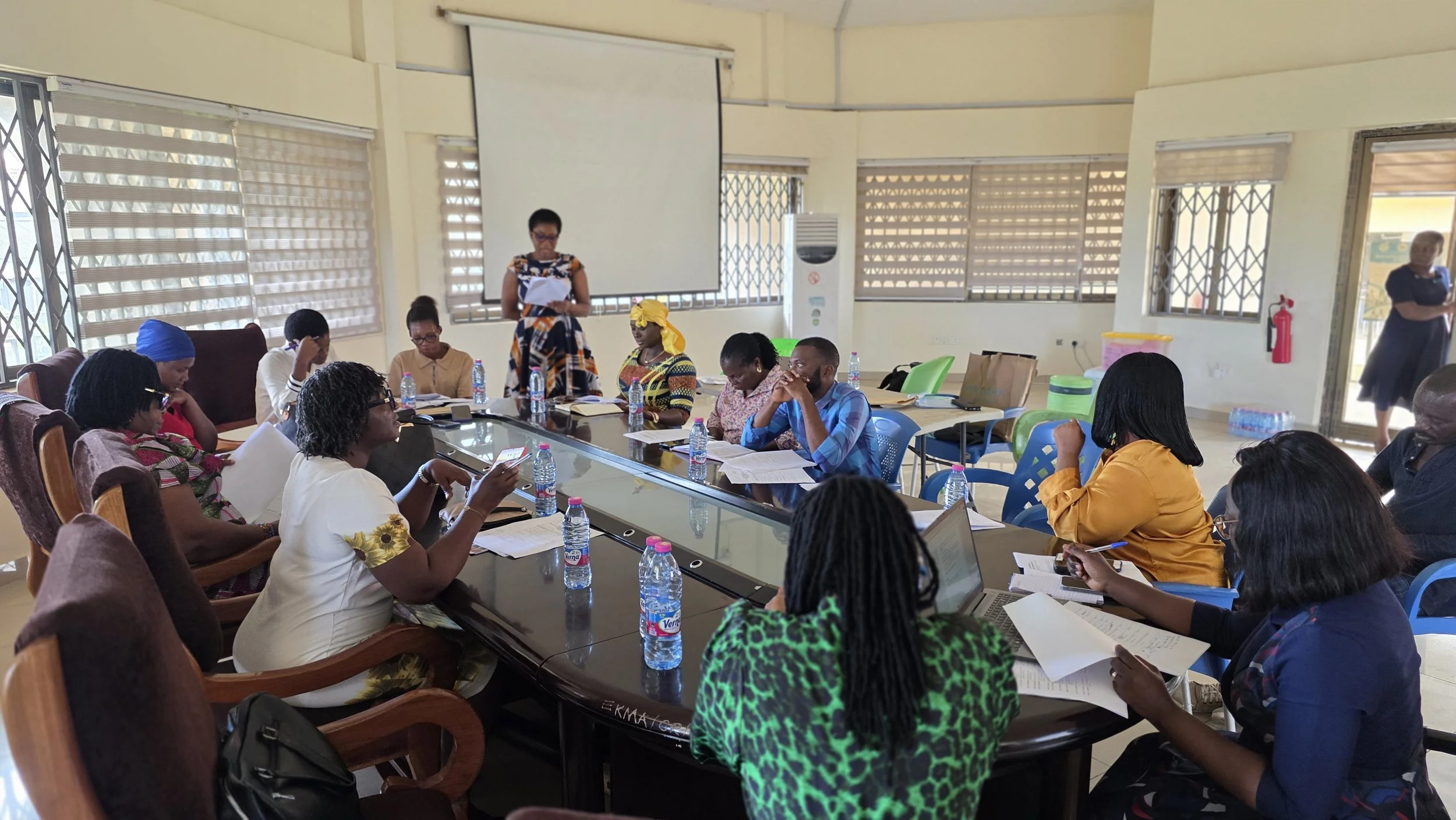
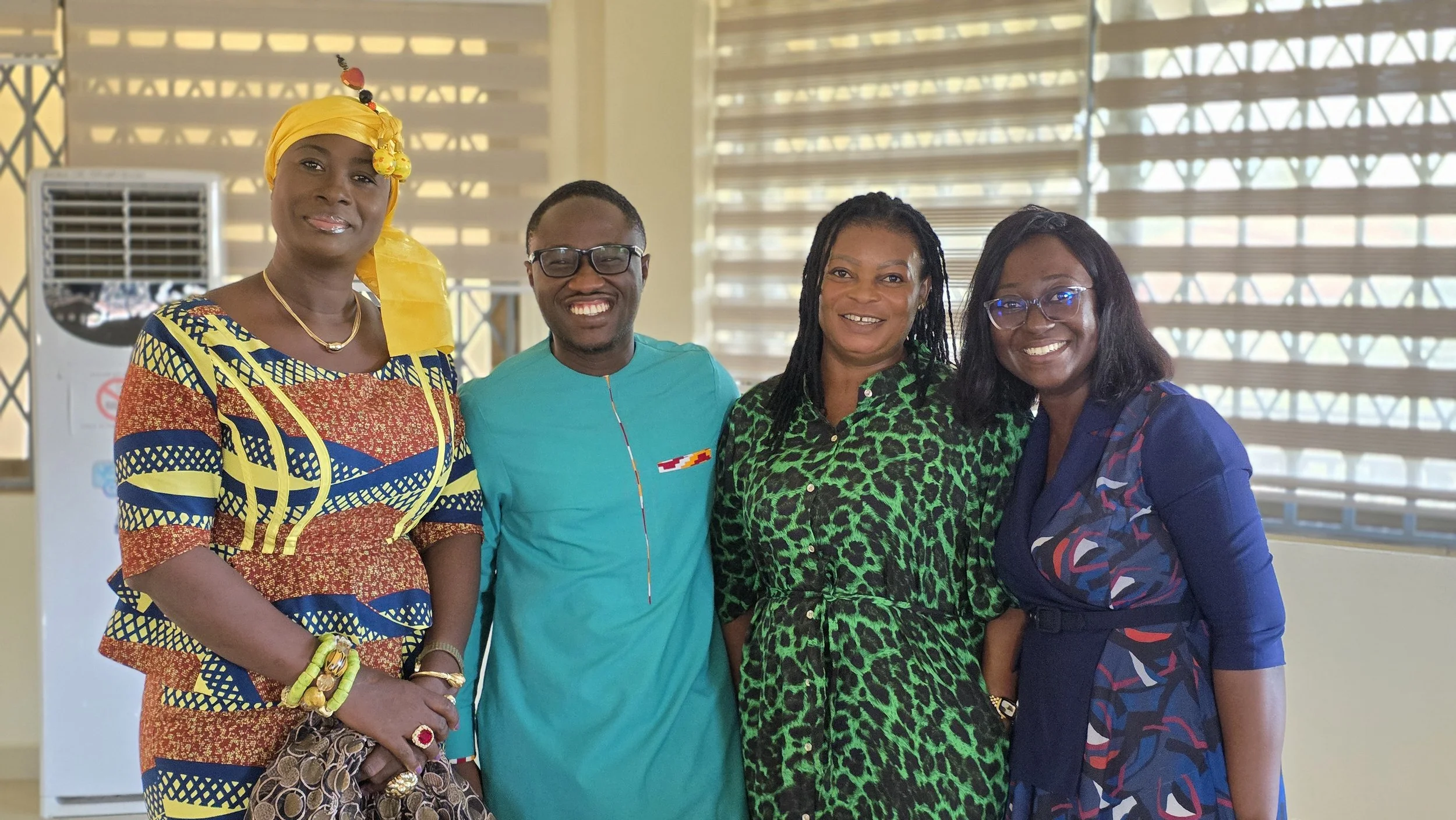
LOCAL STEERING COMMITTEES
Greater Accra Municipal Assembly.
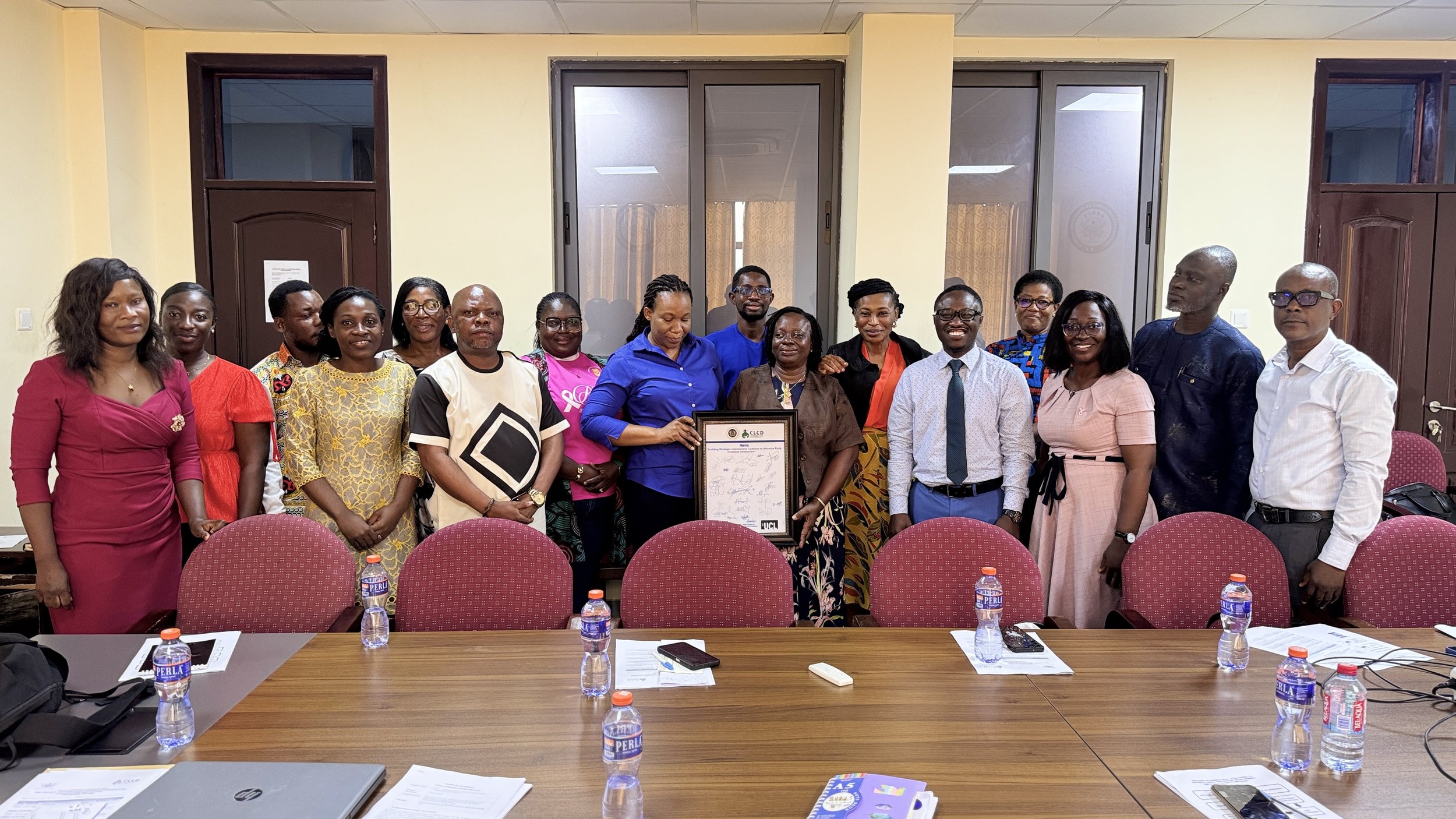
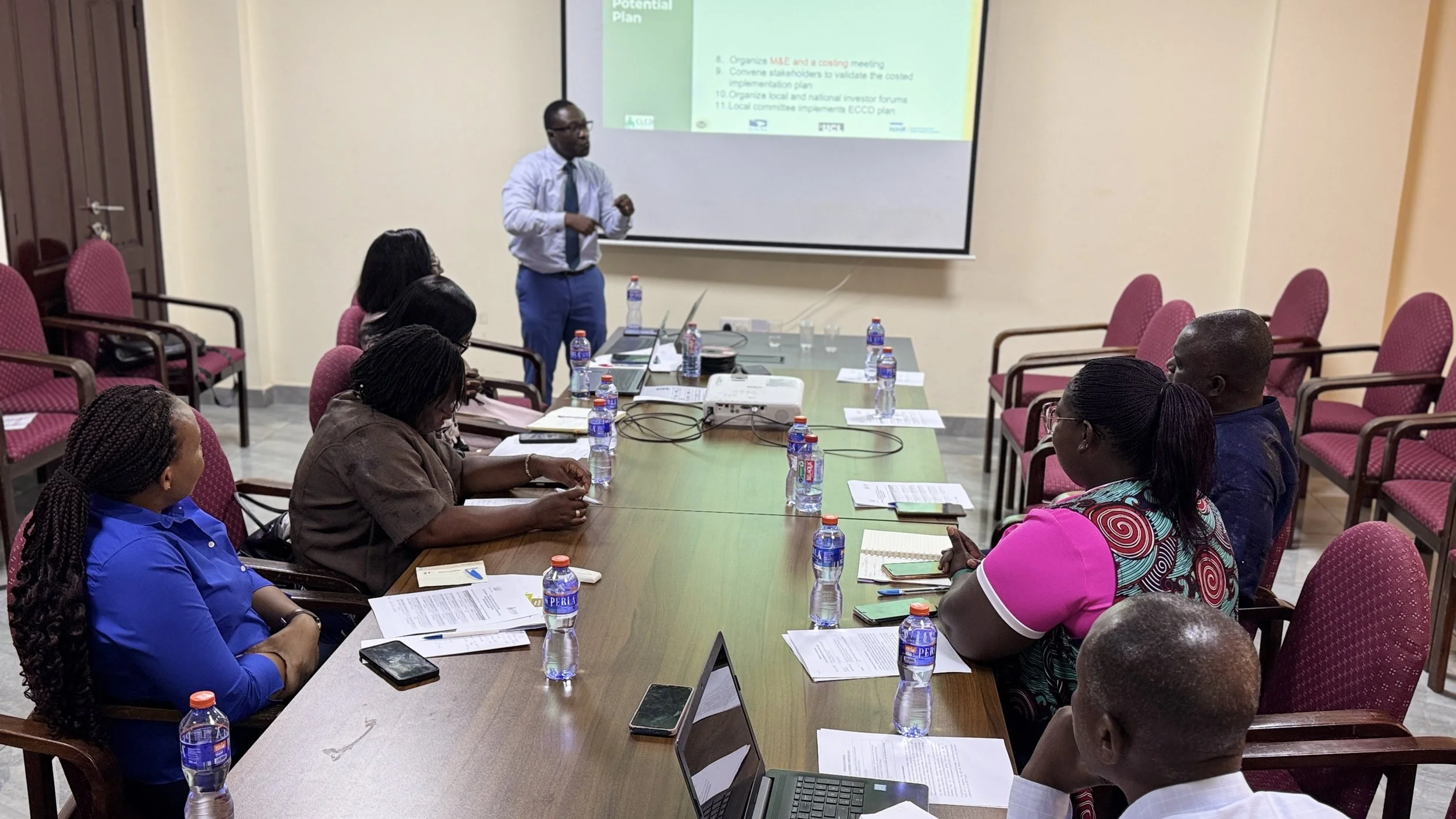
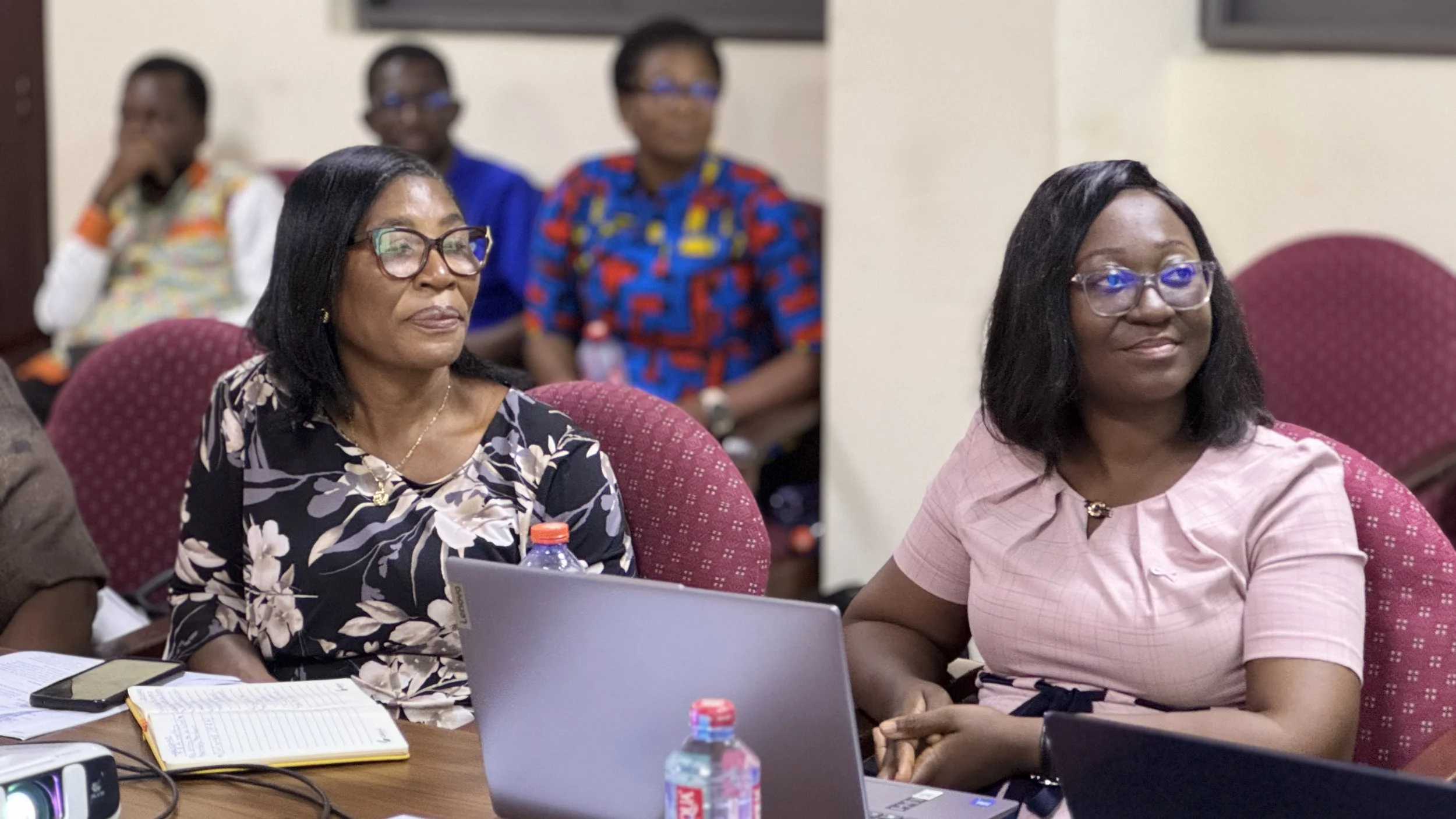
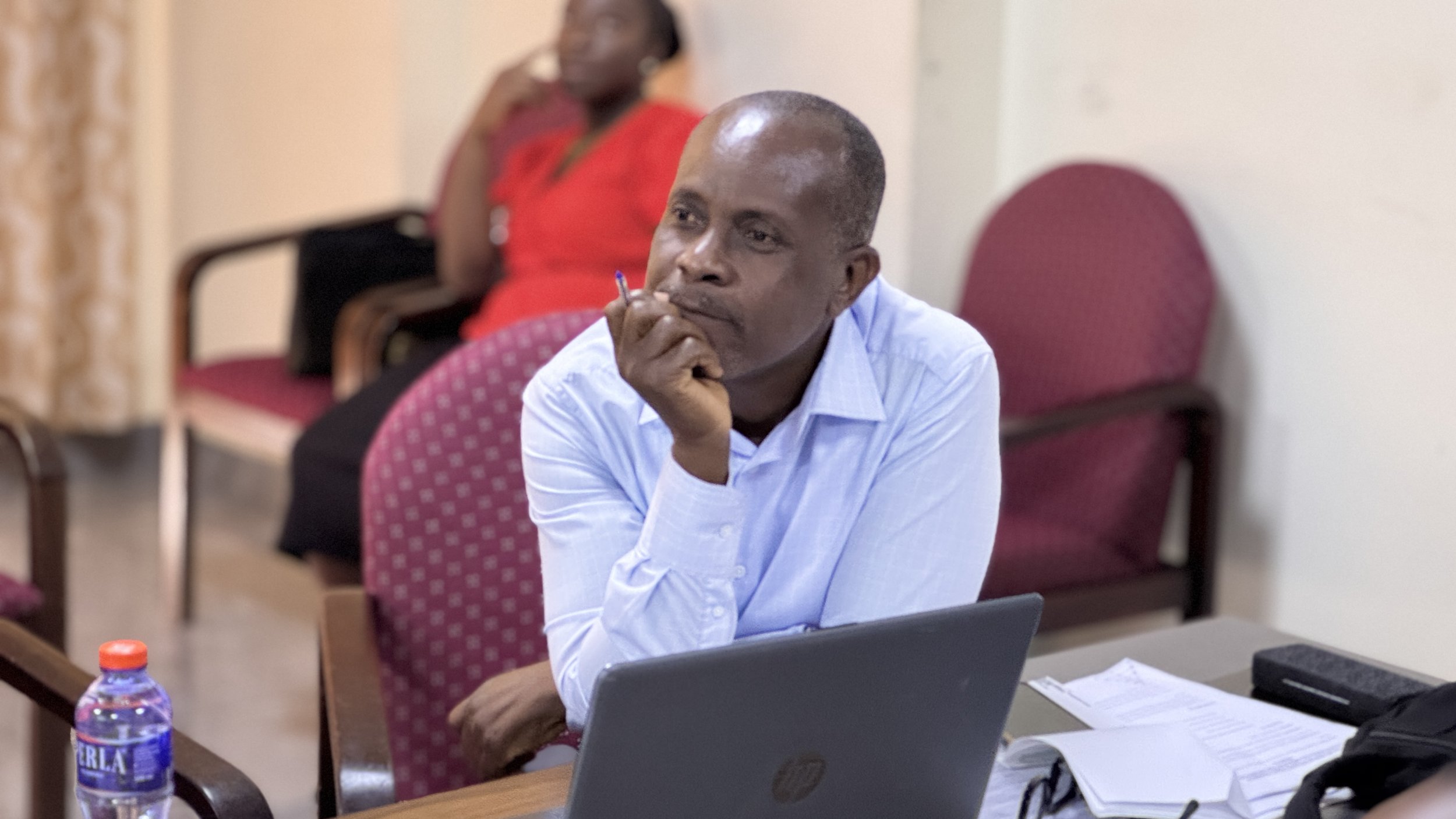

Effia-Kwesimintsim Municipal Assembly.
Where We Work and What We Do.
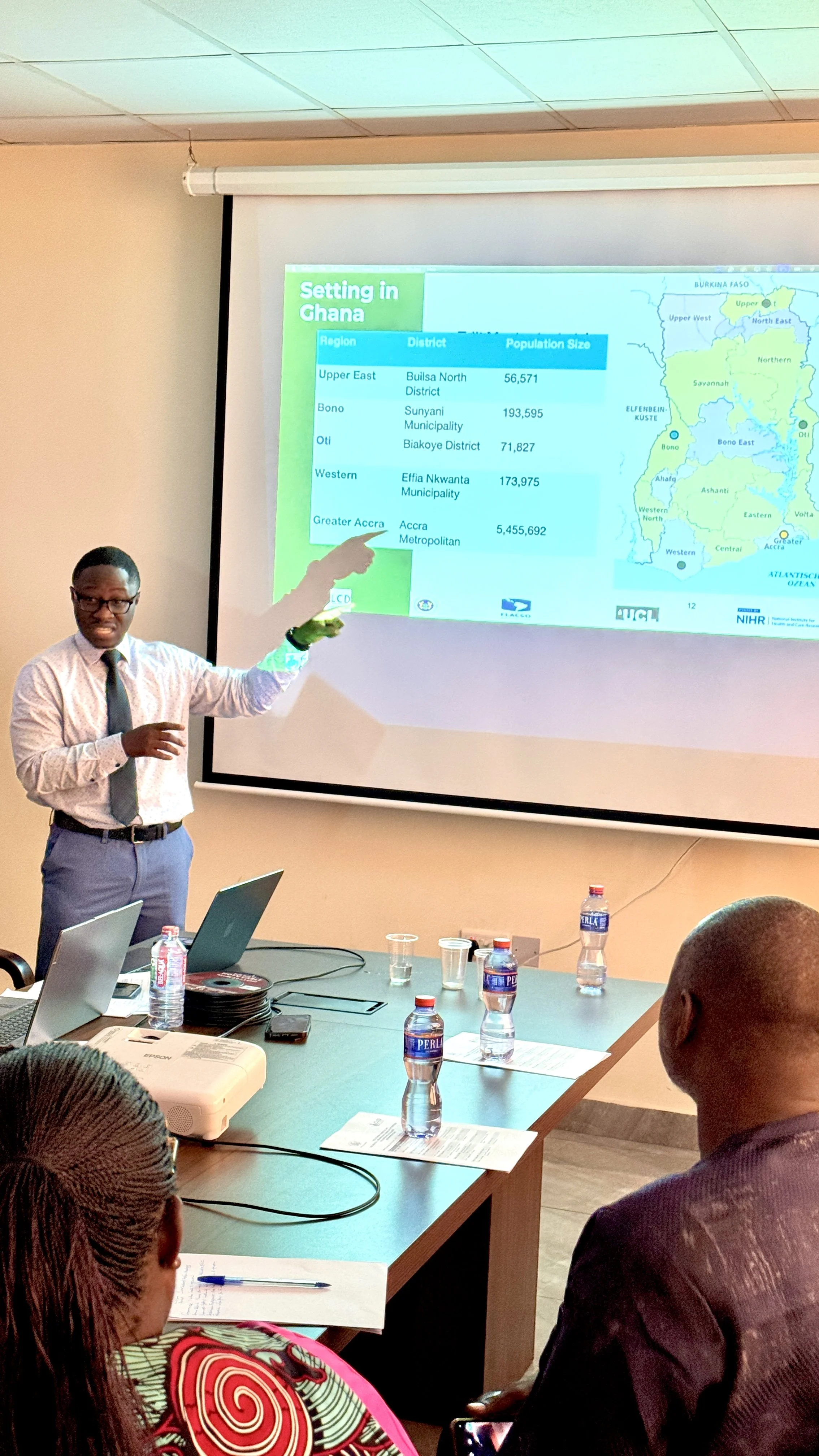
In Ghana, the EPIC Project is being implemented in five districts that represent diverse geographic, demographic, and governance contexts: Accra Metropolitan Area (Greater Accra Region), Sunyani Municipal (Bono Region), Effia Kwesimintsim Municipality (Western Region), Biakoye District (Oti Region), and Builsa North District (Upper East Region).
Key activities include:
· Establishment of National and District Steering Committees to provide leadership, oversight, and coordination for project implementation.
· Political Economy Analysis to understand the governance, institutional, fiscal, and political factors that influence intersectoral collaboration for early childhood development.
· Household and Child Development Surveys conducted at baseline and endline to assess early childhood development indicators among children aged 24-59 months.
· Policy, Document, and Budget Analysis to review existing policies, strategic plans, budgets, monitoring and evaluation frameworks, and governance arrangements across sectors.
· Needs Mapping and Priority Setting through stakeholder engagement and community-led consultations to identify local ECD priorities, assess data systems and institutional capacity, and develop locally relevant policy options and solutions.
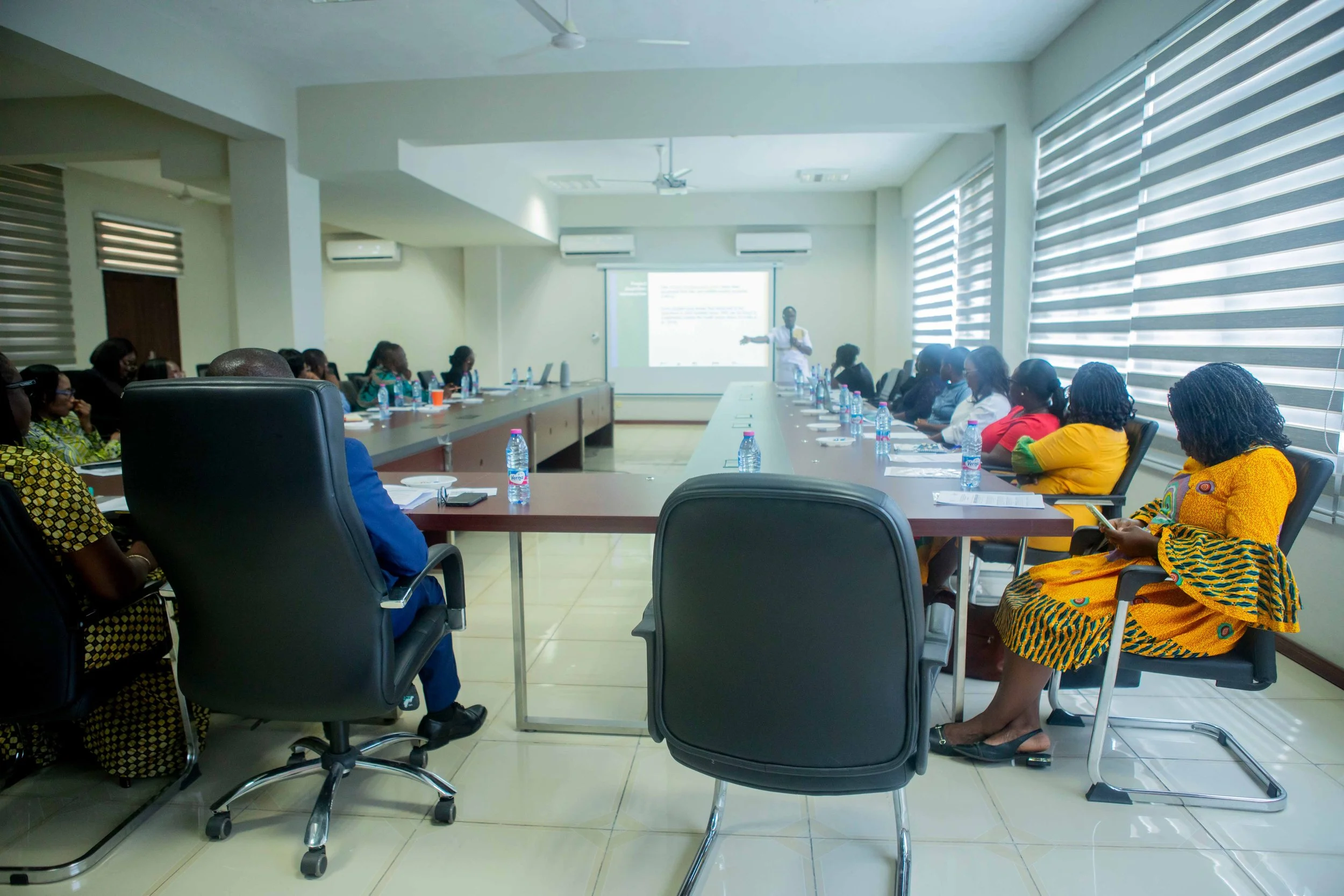
· Capacity Building and Policy Training for sub-national stakeholders on foundations of ECCD, intersectoral policymaking, community engagement, child participation, costing, monitoring and evaluation.
· District Planning Sessions and Policy Development Workshops that support stakeholders to jointly define goals, priorities, activities, and responsibilities, resulting in district-specific Early Childhood Development plans and implementation frameworks.
· Monitoring, Evaluation, and Costing Activities, including the development of monitoring frameworks, accountability mechanisms, costing exercises, and budget planning processes to support sustainable implementation of district ECD plans.
· Child and Community Engagement Activities, including stakeholder forums, the Build Me a Future competition, and Child Parliament initiatives that provide opportunities for children and communities to contribute directly to policy discussions and planning processes.
· Validation and Investor Forums, where district plans are presented to stakeholders for validation and refinement, followed by public-private investor conferences designed to mobilize resources, strengthen partnerships, and support the long-term sustainability of agreed priorities.
What We Seek to Achieve.
· The EPIC Project seeks to strengthen early childhood development outcomes in Ghana and Argentina by fostering effective collaboration across stakeholders including children themselves.
· Lessons generated from the project will support policymakers and implementers how intersectoral policymaking can be designed and implemented to better address the complex challenges affecting early childhood.
· Build the capacity of key stakeholders to engage effectively in intersectoral planning, implementation, monitoring, and evaluation and develop a continuous professional development module for continuous learning.
· Support districts to develop and implement locally relevant Early Childhood Development (ECD) plans that respond to community priorities and needs.
· Mobilize sustainable partnerships and resources to support the implementation of ECD priorities.